Tuesday, August 17, 2021

Uranium tops Morgan Stanley’s commodity thermometer

 USNC-Power encouraged to develop Canada’s first small modular reactor

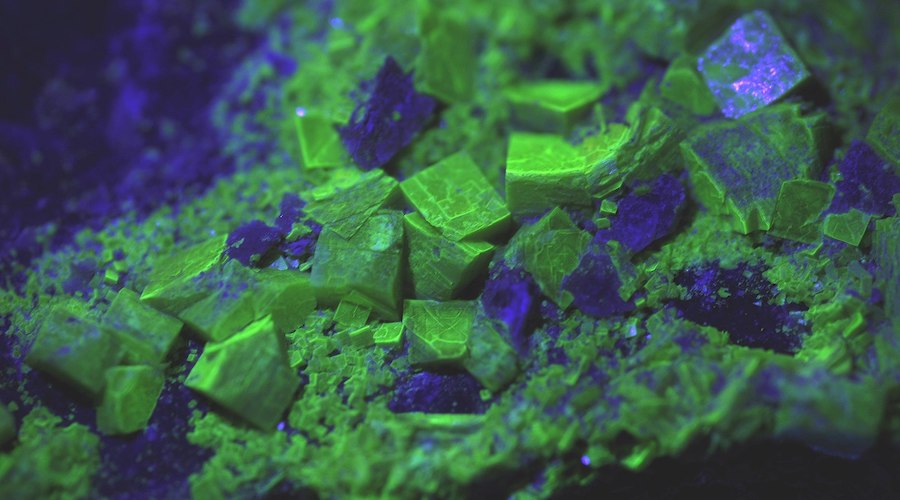
Autunite, frequently used as uranium ore. (Reference image by Parent Géry, Wikimedia Commons).

https://www.mining.com/uranium-tops-morgan-stanleys-commodity-thermometer/?utm_source=Daily_Digest&utm_medium=email&utm_campaign=MNG-DIGESTS&utm_content=uranium-tops-morgan-stanleys-commodity-thermometer 

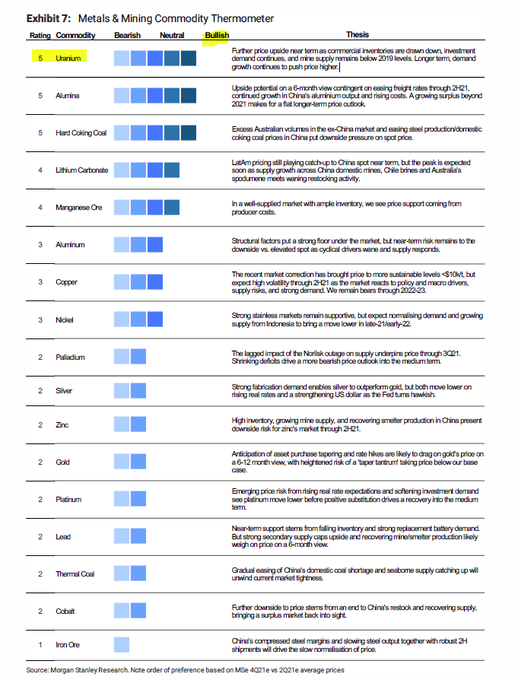
Morgan Stanley has placed uranium at the very top of its Metals and Mining Commodity Thermometer.

Uranium was assigned a ‘most bullish’ thesis of 17 mined commodities under the bank’s coverage.

“Further price upside near term as commercial inventories are drawn down, investment demand continues, and mine supply remains below 2019 levels. Longer term, growth continues to push price higher,” reads a slide shared by a social media user.

Image

 John Quakes

The gap between uranium spot and contract prices has narrowed for a third consecutive month, reaching $32.40 and $33.50 per lb. at the end of July, respectively.

Monday, August 16, 2021

Gold price recovers from recent selloff, supported by physical demand spike

https://www.mining.com/wp-content/uploads/2021/08/dan-meyers-X_71d7I0rb8-unsplash-1024x682.jpg

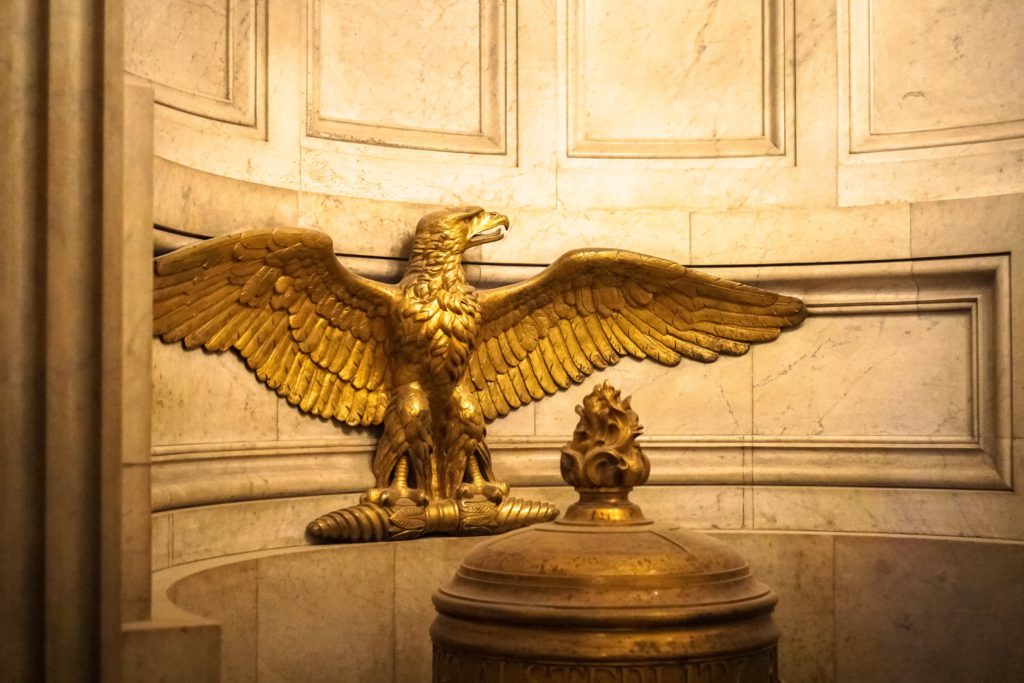
Gold standing its ground in spite of tapering whispers. Stock image. 

https://www.mining.com/gold-price-recovers-from-recent-selloff-supported-by-physical-demand-spike/?utm_source=Daily_Digest&utm_medium=email&utm_campaign=MNG-DIGESTS&utm_content=gold-price-recovers-from-recent-selloff-supported-by-physical-demand-spike 

Gold extended its recovery from the recent selloff on Friday as a retreat in the US dollar enticed investors to snap up the safe haven metal.

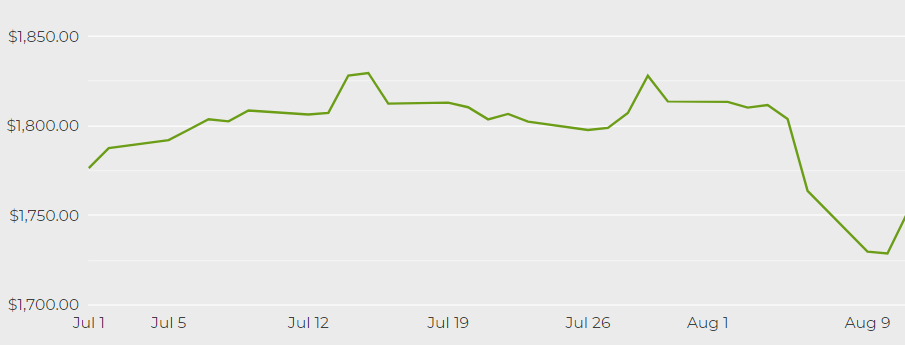
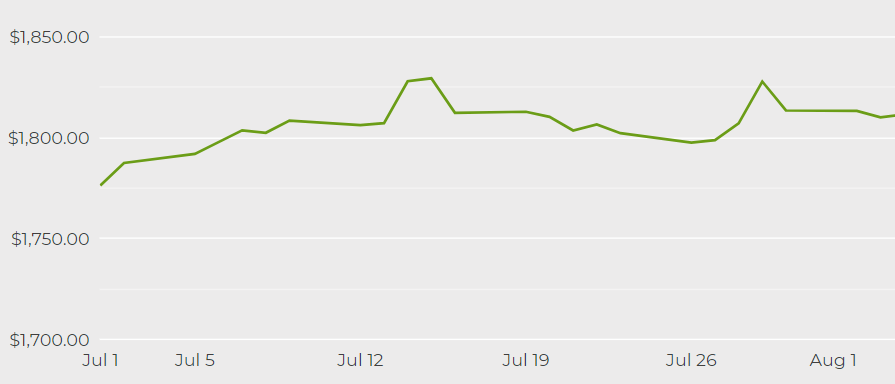
Spot gold rose 1.3% to $1,776.83 per ounce by 12:10 p.m. EDT, its highest in more than a week, representing a quick turnaround from the four-month lows touched on Monday. US gold futures jumped 1.5% to $1,779.20 per ounce in New York.

[Click here for an interactive chart of gold prices]

Meanwhile, the dollar index fell 0.4% and US benchmark 10-year treasury yields also weakened, bolstering the appeal of gold, a non-yielding asset.

Providing further support to bullion was an increased physical demand, particularly from top consumers India and China, where premiums rebounded to multi-month highs.

Commenting on gold’s recent movement, TD Securities commodity strategist Daniel Ghali told Reuters that the pullback from Monday’s lows was largely driven by technicals, with increased central bank purchases providing additional support.

“But, this pullback could just be a temporary move higher,” Ghali added, noting that speculative interest was waning amid rising expectations that the US Federal Reserve could cut back on economic support sooner.

The tapering bets received a major boost last week following a strong US jobs report for the month of July, sending gold on a downward spiral for three straight sessions.

“The picture remains nuanced; as positive signs in the labour market and spikes in producer prices support the view that the Fed will bring forward the timing of tapering, but the latest consumer price increases supported the view that inflation spikes are transitory,” said Ricardo Evangelista, a senior analyst at ActivTrades.

“Amidst the mixed signals, investors anticipate what will emerge from the Fed’s Jackson Hole meeting later this month,” he added.

While gold is seen as a hedge against inflation, higher interest rates dull the bullion’s appeal by raising its opportunity cost.

(With files from Reuters)

120-year chart shows commodities have never been this undervalued

 120-year chart shows commodities have never been this undervalued

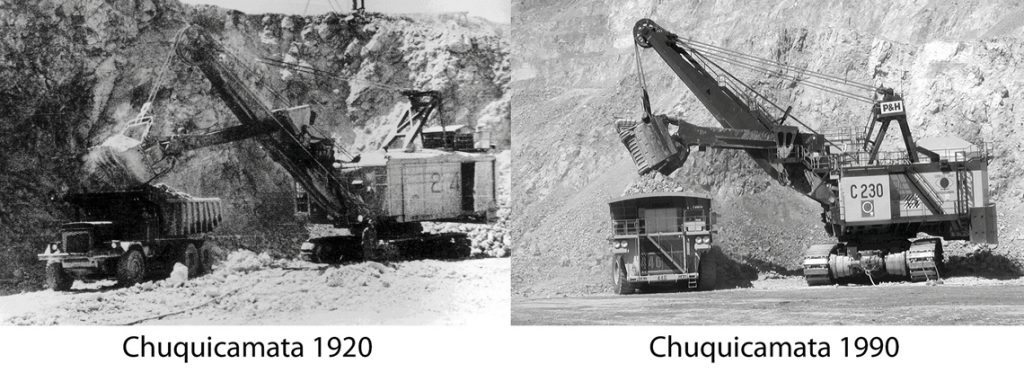
Image: Codelco via Flickr 

https://www.mining.com/120-year-chart-shows-commodities-have-never-been-this-undervalued/?utm_source=Daily_Digest&utm_medium=email&utm_campaign=MNG-DIGESTS&utm_content=120year-chart-shows-commodities-have-never-been-this-undervalued 

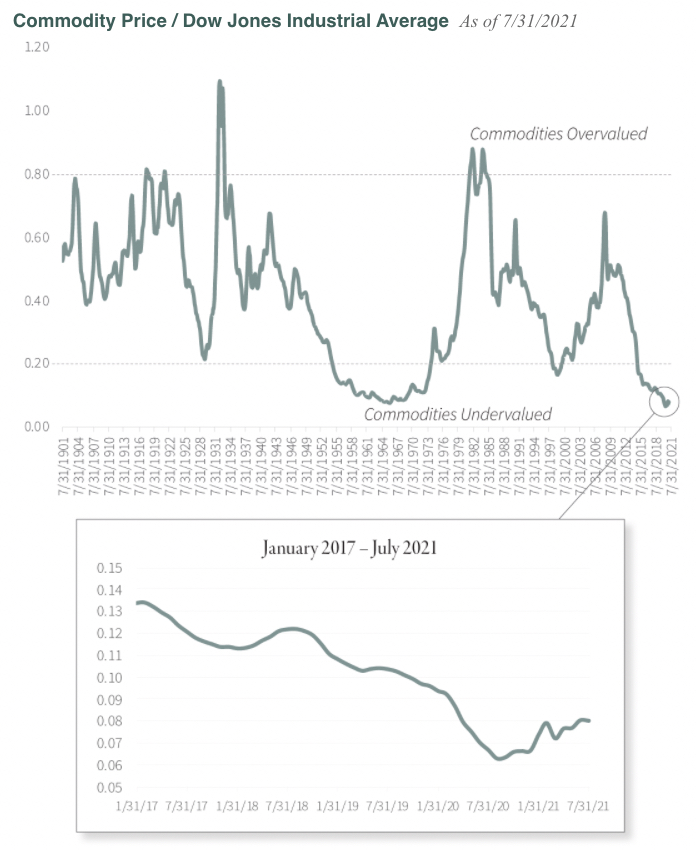
In its Q2 wrap-up, commodities investment house Goehring & Rozencwajg Associates (G&R) poses the question: Natural resources – Uninvestable assets or unprecedented opportunity?

To help answer the question, the Wall Street firm put together a 120-year chart comparing commodity prices to the Dow Jones Industrials going back to 1901.

Despite the uptick in metals and mineral prices over the past year, there is still a yawning gap and “real assets have never been as undervalued relative to financial assets,” according to the authors.

The chart shows other major bottoms occurred in 1929, 1969, and 1999 and, like those cycle nadirs, present an “excellent time to establish real asset positions,” according to G&R: 

“Prior catalysts have all been monetary related. This time likely as well.”

120-year chart shows commodities have never been this undervalued

In May, G&R made the case for a $30,000 copper price as supply comes under pressure from depletion at the world’s major mines. G&R’s latest research is headlined: The IEA Ushers in the Coming Oil Crisis.

Thursday, August 12, 2021

Biden calls on OPEC to increase oil production while limiting US energy production.

 Joe Biden

https://greeleytribune.net/biden-calls-on-opec-to-increase-oil-production-while-limiting-us-energy-production/ 

The White House on Wednesday called on OPEC and its allies to increase oil production as gas prices continue to rise, and the alarm bells ringing over the loss of US energy freedom under President Biden. Is.

Crying at the outreach, domestic oil producers say Mr Biden should have looked to them to boost the country’s oil supply.

Instead, Mr Biden turned to OPEC, a handful of non-member allies, including the world’s 13 largest oil-producing cartels and Russia.

Since taking office, Mr Biden has restricted US oil production, issuing executive orders prioritizing climate change over the US energy industry.

Jason Mogden, president of the Texas Alliance of Energy Producers, said the administration’s policies have hampered U.S. oil production, pushing gas prices north to cut supplies.

“It only stings when the president calls on Russia and Saudi Arabia to increase their energy production when we can do it here in the United States,” he said. “Its first call should have been to American producers to meet the needs of American producers.”

Sen. John Corn, a Texas Republican, added: “It’s sad and embarrassing to ask the Saudis to increase production while the White House is to put a hand behind the backs of American energy companies.”

According to the US Energy Information Administration (EIA), which collects data on the oil and gas industry, US oil production fell from 13 million barrels per day last year to about 11.2 million barrels per day. The EIA predicts that US oil production will increase slightly to 11.8 million barrels in 2021.

David Ripson, director of the Energy Economics Program at the University of California, Davis, said that as US COVID-19 emerges from epidemics and demand for oil increases, so will domestic production.

If we do not allow domestic production to grow in response to demand, we will allow OPEC to set prices. This is going to be a long term problem. “It’s a little weird to call OPEC when prices go up, but it’s also weird to limit production locally.”

Emphasizing whether the administration would consider producing more oil locally, White House press secretary Jane Sackie said it was not under consideration.

“That was not the question we asked,” he said. “We are not questioning supply locally. Obviously, OPEC has its own unique role in the global market.

“We think OPEC can take action,” he added.

The Western Energy Alliance, which represents 200 oil and gas companies based in the West, predicts that a ban on drilling on federal land could cost GDP 33 33.5 billion and lose 58,676 jobs by 2024. Is. GDP loss of 40 640 billion and 343,088 jobs lost by 2040

Mr Mogan said the Biden administration’s policies promised to increase US dependence on foreign oil.

“The cancellation of the Keystone pipeline makes it easier for OPEC to enter our market,” he said. “It makes Saudi Arabia, Russia and Venezuela more competitive.”

The reliance came on Wednesday when the White House National Security Adviser issued a statement urging OPEC to increase production.

Mr Sullivan called on OPEC and its non-OPEC allies, known as OPEC +, to increase oil production by 400,000 barrels a day. But he warned that the COVID-19 epidemic was not enough to make up for the shortfall in early production.

“Although OPEC + has recently agreed to increase production, this increase will not fully meet the previous production cuts that OPEC + implemented during 2022 during epidemic diseases,” Mr Sullivan said. “In a critical moment of global recovery, that is not enough.”

In addition, the White House sent a letter to the Federal Trade Commission asking the agency to investigate any illegal practices by the oil industry that could lead to a rise in gas prices.

Brian Dess, director of the National Economic Council, wrote in a letter to the FTC that such illegal activities could include manipulating market prices or mergers and acquisitions that reduce competition.

“During this summer’s driving season, there is a huge difference between oil prices and the price of gasoline at the pump,” Mr Des wrote. “Although many factors can affect gas prices, the president wants to ensure that consumers do not pay more for gas due to competition or other illegal means.”

He also asked the Federal Energy Regulatory Commission, the Commodity Futures Trading Commission, the Department of Justice and the State Attorney General to resolve the issue.

Gas prices continue to rise across the country, according to AAA data.

The national average price for a gallon of gas was 3. 3.185 on Wednesday morning, the travel organization said. It was 3. 3.144 a gallon a month ago and 2. 2.174 a gallon last year.

In May, the national average crossed $ 3 for the first time since 2014, and last week, gasoline demand hit a 2021 high.

With the end of the holiday season and the reopening of the school for the fall, that number could be slightly lower, but it’s not clear if the reduction will be enough to cover the prices that have been rising steadily for the past year.

Also, the demand for fuel has eased epidemic restrictions that have forced workers to seek refuge in their homes and forced millions of Americans to cancel their travel plans.

OPEC allies cut production to meet lower demand, but cut oil supplies, pushing prices north as demand soared this summer.

During epidemics, crude oil prices fell so much, they were trading at negative prices. According to the US Energy Information Administration, a form of crude was being sold in Europe at ڈالر 9 a barrel, its lowest price in decades.

Gold price rebounds on signs of peaking US inflation

Gold price rebounds on signs of peaking US inflation

https://www.mining.com/gold-price-rebounds-on-signs-of-peaking-us-inflation/?utm_source=Precous_Metals_Digest&utm_medium=email&utm_campaign=MNG-DIGESTS&utm_content=gold-price-rebounds-on-signs-of-peaking-us-inflation 

Gold prices rebounded on Wednesday after the latest US inflation data showed consumer prices rose at a slower pace last month, easing fears that the Federal Reserve may taper its economic support sooner than expected.

Spot gold rose 1.2% to $1,749.62 per ounce by 11:45 EDT, recovering some ground after four straight sessions of declines. US gold futures gained 1.1%, trading at $1,751.30 per ounce in New York.

[Click here for an interactive chart of gold prices]

Earlier, the Labor Department stated that the US consumer price index rose 0.5% in July, after a 0.9% rise in June. This was the largest month-to-month drop in 15 months, a tentative sign that inflation may have peaked as supply chain disruptions work their way through the economy.

Additionally, core CPI, which excludes the volatile food and energy components, rose 0.3% last month after increasing 0.9% in June, which was weaker than expected.

Traditionally a hedge against inflation, bullion has been held back by concerns over central bank tapering, keeping it below the key $1,800 mark especially after a strong US employment report last week.

However, Phillip Streible, chief market strategist at Blue Line Futures in Chicago, told Reuters that Wednesday’s inflation data have helped ease those concerns, buoying gold even with inflation pressures waning.

“An inflation number that’s in line leaves the Fed scratching their heads and has them more on a wait-and-see-and-interpret-more-data type of approach,” Streible said. “The gold market is not going back up till $1,835, but I don’t think the bottom is going to fall out yet.”

Providing a further boost to gold, the dollar fell from a more than four-month high, and US Treasury yields too weakened, largely on the back of the new data.

(With files from Reuters)

Wednesday, August 11, 2021

U.S. sees 'collective response' to ship attack blamed on Iran

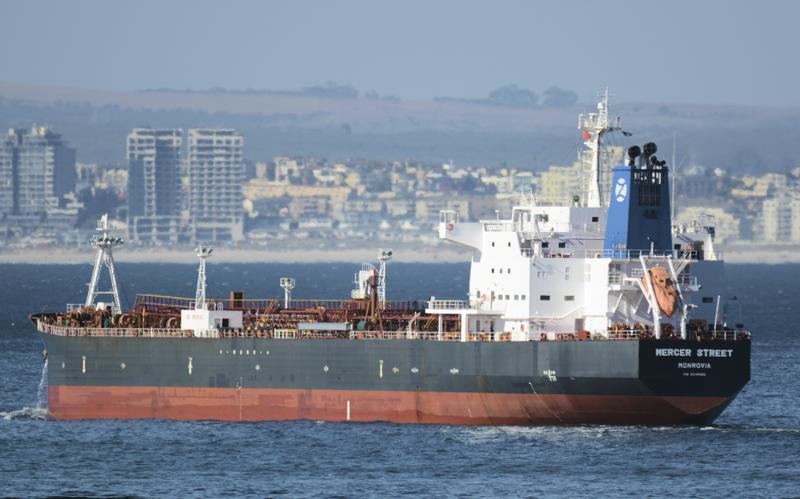
 This Jan. 2, 2016 photo shows the Liberian-flagged oil tanker Mercer Street off Cape Town, South Africa. The oil tanker linked to an Israeli billionaire reportedly came under attack off the coast of Oman in the Arabian Sea, authorities said Friday, July 30, 2021, as details about the incident remained few. (Johan Victor via AP)

https://www.reuters.com/world/middle-east/us-confident-iran-carried-out-attack-tanker-secretary-blinken-2021-08-02/

WASHINGTON, Aug 2 (Reuters) - The United States is confident Iran attacked an Israeli-managed tanker last week, killing two, the top U.S. diplomat said on Monday, predicting a "collective response" but saying he did not think the incident necessarily signaled anything about Iran's incoming President Ebrahim Raisi.

"We have seen a series of actions taken by Iran over many months, including against shipping. So I am not sure that this particular action is anything new or augurs anything one way or another for the new government," Secretary of State Antony Blinken told reporters. Raisi takes office on Thursday.

"But what it does say is that Iran continues to act with tremendous irresponsibility when it comes to, in this instance, threats to navigation, to commerce, to innocent sailors who are simply engaged in commercial transit in international waters," he added of the attack, which killed a Briton and a Romanian.

"We are in very close contact and coordination with the United Kingdom, Israel, Romania, and other countries, and there will be a collective response," Blinken said.

Tehran has denied any involvement in the attack on Thursday in which the two crew members were killed. read more

The United States and Britain said on Sunday they would work with their allies to respond to the attack on the Mercer Street, a Liberian-flagged, Japanese-owned petroleum product tanker managed by Israeli-owned Zodiac Maritime.

"We've conducted a thorough review and we're confident that Iran carried out this attack," Blinken said on Monday.

Reporting by Simon Lewis, Doyinsola Oladipo, Daphne Psaledakis and Jonathan Landay; Editing by Richard Pullin

Tuesday, August 10, 2021

Gold price dives to 4-month low on concerns of early Fed tapering


 Gold investors grappling with Fed’s potential hawkish shift. Stock image.

https://www.mining.com/gold-price-dives-to-4-month-low-on-concerns-of-early-fed-tapering/?utm_source=Precous_Metals_Digest&utm_medium=email&utm_campaign=MNG-DIGESTS&utm_content=gold-price-dives-to-4month-low-on-concerns-of-early-fed-tapering

Gold extended its slump after a stronger-than-expected US jobs report last week fueled bets that the Federal Reserve may start paring back its massive monetary stimulus soon.

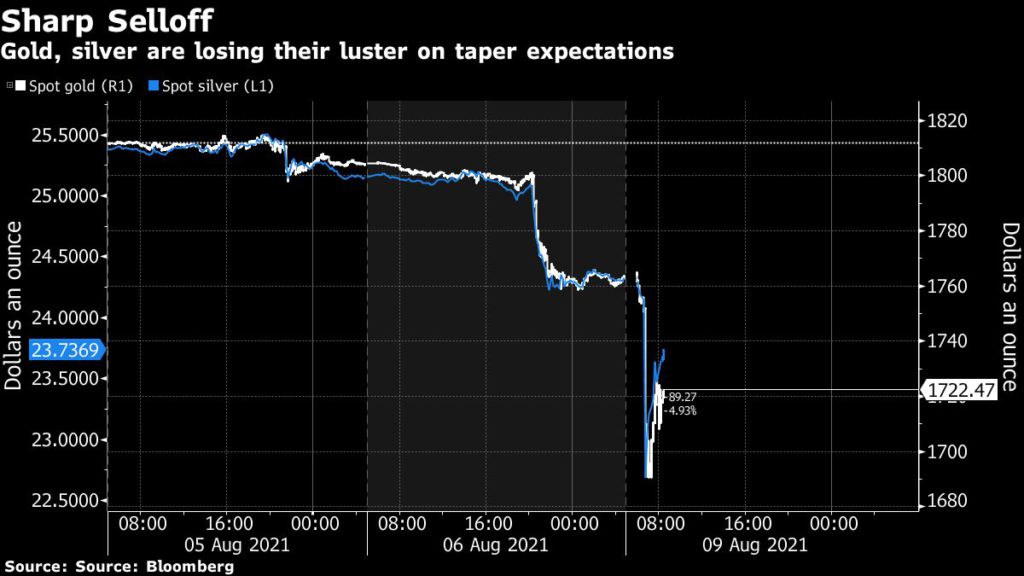
Spot gold fell by as much as 4.4% during the early hours of Asian trading, but clawed back to recover about half of those losses once markets opened in New York.

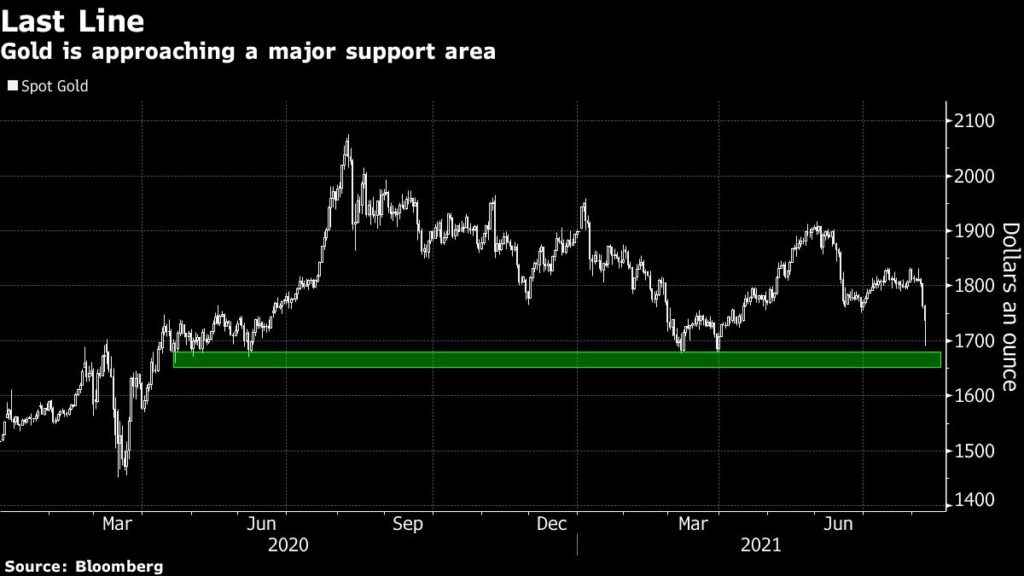
As of 11:15 a.m. ET, gold was down 2.0% to $1,728.04 per ounce, the lowest since early April. US gold futures also declined 1.9% to $1,729.30 per ounce.

Silver, too, took a tumble as it dropped by as much as 7.5%, hitting a more than 8-month low of $22.50 per ounce earlier in the session. It was last down 3.7% to $23.44 per ounce.

[Click here for an interactive chart of gold prices]

Data released by the US Labor Department on Friday showed employers hired the most workers in nearly a year in July and continued to raise wages.

That underscored remarks by Fed officials suggesting a sooner-than-anticipated rollback of the pandemic era stimulus on the back of a solid labour market recovery.

The jobs data “beat expectations by a mile last week, which led to both gold and silver selling off into the close. This morning we are seeing the overhang of that as perhaps those traders a bit late to the party are panic-selling the open,” John Feeney, business development manager at Guardian Vaults, said in a Bloomberg interview, adding:

“With low liquidity at this time of the week combining with a large number of stop losses being triggered we have seen a volatile open to start the week.”

The technical picture does not look good for gold and short-term negativity is likely to continue, Harshal Barot, a senior research consultant for South Asia at Metals Focus, told Reuters.

However, “the pandemic is not truly behind us… There will be investors who will be looking for these levels to buy up gold as a protection,” Barot added.

The jobs data helped lift the benchmark US 10-year treasury yields in the process, hurting gold’s appeal as an inflation hedge. Meanwhile, the dollar index also hit a two-week high on Monday, pulling investors towards the greenback.

Gold has been losing ground on investor concern that an improving US economy and rising inflation will spur the Fed to pull back on unprecedented economic support.

Low rates help make bullion more competitive against assets that offer yields, while the strengthening dollar and record equity markets are also curbing demand for the haven metal.

(With files from Bloomberg and Reuters)