Friday, March 8, 2024

Pfizer and Moderna COVID Vaccines’ Efficacy Exaggerated, Effectiveness ‘Well Below’ 50 Percent, Researchers Say
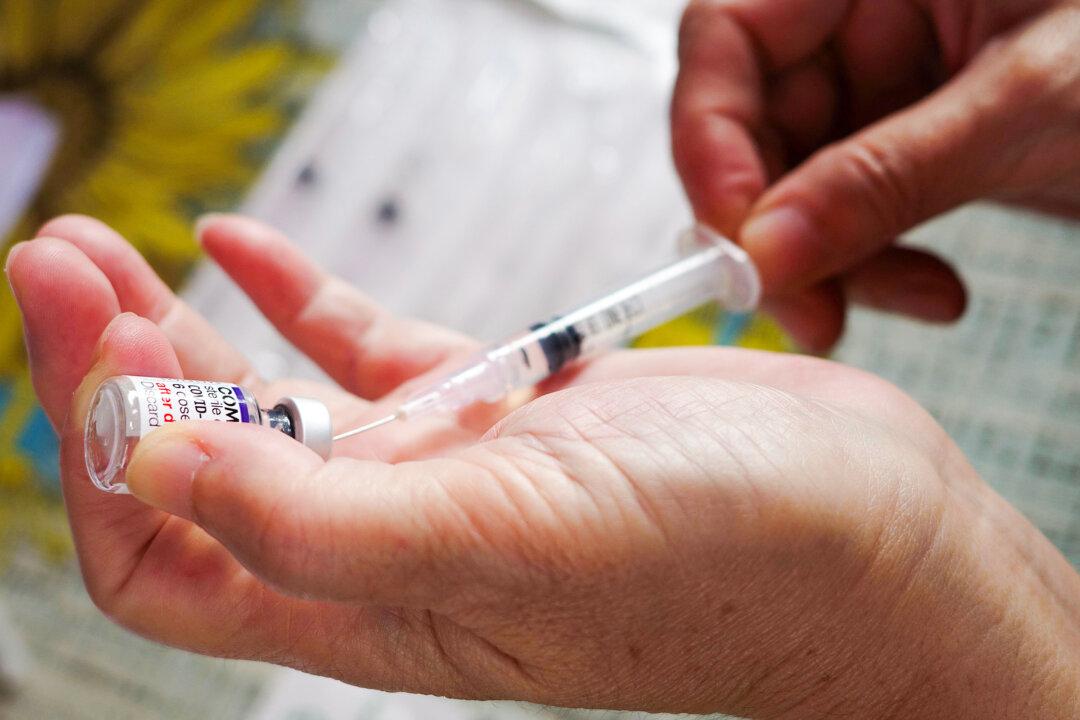
Researchers allege that biases and manipulation of Pfizer and Moderna COVID-19 vaccine clinical data have exaggerated vaccine efficacy and underestimated vaccine adverse events.
While most clinical trials would evaluate the effects of a drug from the day it is administered, these COVID-19 mRNA vaccines are not being evaluated from the first day the vaccines are given. A later date is chosen, which inflates the vaccine’s perceived efficacy and safety, researchers say.
Unclear Definitions of Vaccinated vs. Unvaccinated
Mr. Lataster, associate lecturer at the University of Sydney, spoke at Sen. Ron Johnson’s (R-Wis.) Feb. 26 roundtable discussion on COVID-19 vaccines and public health messaging. He summarized findings from a collection of four commentaries published in a peer-reviewed journal, of which two were authored by him.“We have found in the studies varying definitions of fully vaccinated and unvaccinated. Generally what we find is that they are ignoring COVID infections in the partially vaccinated,” Mr. Lataster said.
Instead, COVID cases in vaccinated individuals are only counted weeks after a person is vaccinated. In Pfizer’s clinical trials, a person is considered vaccinated and their COVID cases are counted a week after they received the second dose, whereas in Moderna’s clinical trials, a person is considered vaccinated two weeks after their second dose.
Additionally, they found that this hypothetical number could further inflate to 67 percent due to other real-life factors during vaccine rollouts.
As older people were more likely to get vaccinated early on due to being more at risk of infections, this may reduce the perceived vaccine efficacy.
Millions of Lives Saved Based on Modeling
The COVID-19 mRNA vaccines have been promoted to have saved millions of lives. However, Mr. Lataster said that those statements may not reflect what happened in real life.Mr. Lataster has been invited to partake in a study reviewing whether the mRNA vaccines have saved millions of lives.
“There are many problems we found, over twelve issues with how the data is utilized and estimated. For one thing, it’s [based on] a model and the map is not the territory,” Mr. Lataster said. The study is currently unpublished.
He said that they have also been looking at verifying claims that COVID-19 vaccines reduced severe disease, hospitalizations, and deaths.
Significant Number of Unconfirmed COVID Cases
According to an FDA briefing document, Pfizer acknowledged “3410 total cases of suspected but unconfirmed COVID‐19 in the overall study population.”These suspected cases were split almost evenly between the treatment and placebo groups.
Underrepresented Adverse Events
While Pfizer and Moderna phase 3 clinical trials followed adverse events from the day of vaccine administration, they defined an individual as vaccinated only if several weeks had passed following vaccination.Therefore, some of the adverse events that may have occurred soon after vaccination and would therefore be more strongly linked to vaccination would not be attributed to the vaccine, leading to underestimated adverse event rates.
COVID vaccination adverse event reports to the Vaccine Adverse Event Reports System show that more than 12 percent of deaths occurred on the day or the day after vaccination.
Furthermore, the placebo group was later given the COVID-19 vaccines, effectively “unblinding” them. This meant that researchers would be unable to compare the placebo and the vaccine group for potential long-term safety signals.
The Epoch Times reached out to Pfizer and Moderna for comments.
Thursday, March 7, 2024
New Bill Would Strip COVID-19 Vaccine Manufacturers of Liability Protection
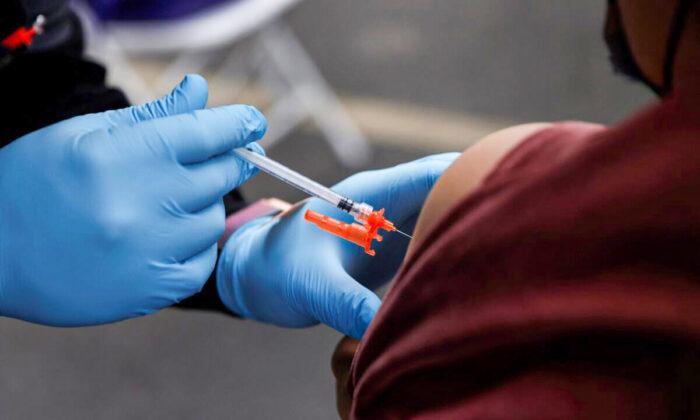
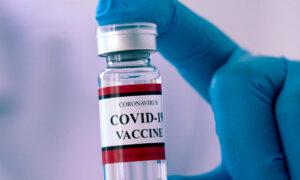
Proposed legislation introduced on March 5 would strip COVID-19 vaccine manufacturers of liability protections, enabling U.S. residents injured by the vaccines to sue the companies.
The bill, proposed by Rep. Chip Roy (R-Texas), would retroactively remove protections from the Public Readiness and Emergency Preparedness Act (PREP Act) for COVID-19 vaccine manufacturers.
“No federal law ... may make the manufacturer of a COVID-19 vaccine immune from suit or liability, or limit the liability of such a manufacturer, with respect to claims for loss caused by, arising out of, relating to, or resulting from the administration to or the use by an individual of a COVID-19 vaccine,” the bill reads.
The PREP Act currently protects manufacturers and people who administer the vaccines from liability, under a 2020 declaration entered by then-Health Secretary Alex Azar during former President Donald Trump’s administration. President Joe Biden’s administration has since extended the declaration.
The only exception to the PREP Act protection is in cases of death or serious injury caused by “willful misconduct.”
“Millions of Americans were forced to take a COVID-19 shot out of fear of losing their livelihoods and under false pretenses. Many have faced injury from the vaccine, but few have been afforded little recourse,” Mr. Roy said in a statement.
He said he was introducing the new bill “to empower Americans to remove crony federal liability protections for COVID-19 vaccine manufacturers and empower injured Americans.”
“The American people deserve justice for the infringement on their personal medical freedom and those medically harmed deserve restitution,” Mr. Roy said.
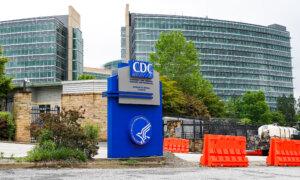
As part of the federal vaccine system, people who have suspected or confirmed injuries from COVID-19 vaccines can apply for compensation from the government under a program called the Countermeasures Injury Compensation Program. But as of January, just 11 people have been compensated, with the highest payout being just $8,961.
Pfizer and Moderna did not respond by press time to requests by The Epoch Times for comment on the bill and have not appeared to comment publicly on it.
A spokesperson for the Pharmaceutical Research and Manufacturers of America, a trade group for pharmaceutical companies, told Fox News that “by upending the existing liability framework manufacturers rely upon to provide predictable vaccine development, our ability to address future public health threats will be at risk.”
HHS has stated that the PREP Act declaration “has been a key tool for ensuring that Americans have broad access to critical COVID-19 countermeasures including vaccines, tests, and treatments” and “has provided flexibilities and protections for those individuals and entities who have been involved in providing these critical tools that have helped the United States get to a better place with COVID-19.”
Mr. Roy’s bill already has 19 co-sponsors, including Reps. Lauren Boebert (R-Colo.), Clay Higgins (R-La.), Ralph Norman (R-S.C.), and Andy Harris (R-Md.).
“Many Americans were wrongly forced to take a COVID-19 vaccine,” Rep. Eric Burlison (R-Mo.), another co-sponsor, said in a statement. “Of course, they should be allowed to sue if they become injured by the shot.”
Children’s Health Defense, a nonprofit, is among the supporters of the proposal.
“The damages and fatalities caused by the COVID-19 vaccine demand accountability,” Mary Holland, president of the group, said in a statement. “This legislation represents a critical milestone in rectifying these injustices and paving the way for a more accountable future.”
Pfizer and Moderna COVID Vaccines’ Efficacy Exaggerated, Effectiveness ‘Well Below’ 50 Percent, Researchers Say
Researchers allege that biases and manipulation of Pfizer and Moderna COVID-19 vaccine clinical data have exaggerated vaccine efficacy and underestimated vaccine adverse events.
While most clinical trials would evaluate the effects of a drug from the day it is administered, these COVID-19 mRNA vaccines are not being evaluated from the first day the vaccines are given. A later date is chosen, which inflates the vaccine’s perceived efficacy and safety, researchers say.
Unclear Definitions of Vaccinated vs. Unvaccinated
Mr. Lataster, associate lecturer at the University of Sydney, spoke at Sen. Ron Johnson’s (R-Wis.) Feb. 26 roundtable discussion on COVID-19 vaccines and public health messaging. He summarized findings from a collection of four commentaries published in a peer-reviewed journal, of which two were authored by him.“We have found in the studies varying definitions of fully vaccinated and unvaccinated. Generally what we find is that they are ignoring COVID infections in the partially vaccinated,” Mr. Lataster said.
Instead, COVID cases in vaccinated individuals are only counted weeks after a person is vaccinated. In Pfizer’s clinical trials, a person is considered vaccinated and their COVID cases are counted a week after they received the second dose, whereas in Moderna’s clinical trials, a person is considered vaccinated two weeks after their second dose.
Additionally, they found that this hypothetical number could further inflate to 67 percent due to other real-life factors during vaccine rollouts.
As older people were more likely to get vaccinated early on due to being more at risk of infections, this may reduce the perceived vaccine efficacy.
Millions of Lives Saved Based on Modeling
The COVID-19 mRNA vaccines have been promoted to have saved millions of lives. However, Mr. Lataster said that those statements may not reflect what happened in real life.Mr. Lataster has been invited to partake in a study reviewing whether the mRNA vaccines have saved millions of lives.
“There are many problems we found, over twelve issues with how the data is utilized and estimated. For one thing, it’s [based on] a model and the map is not the territory,” Mr. Lataster said. The study is currently unpublished.
He said that they have also been looking at verifying claims that COVID-19 vaccines reduced severe disease, hospitalizations, and deaths.
Significant Number of Unconfirmed COVID Cases
According to an FDA briefing document, Pfizer acknowledged “3410 total cases of suspected but unconfirmed COVID‐19 in the overall study population.”These suspected cases were split almost evenly between the treatment and placebo groups.
Underrepresented Adverse Events
While Pfizer and Moderna phase 3 clinical trials followed adverse events from the day of vaccine administration, they defined an individual as vaccinated only if several weeks had passed following vaccination.Therefore, some of the adverse events that may have occurred soon after vaccination and would therefore be more strongly linked to vaccination would not be attributed to the vaccine, leading to underestimated adverse event rates.
COVID vaccination adverse event reports to the Vaccine Adverse Event Reports System show that more than 12 percent of deaths occurred on the day or the day after vaccination.
Furthermore, the placebo group was later given the COVID-19 vaccines, effectively “unblinding” them. This meant that researchers would be unable to compare the placebo and the vaccine group for potential long-term safety signals.
The Epoch Times reached out to Pfizer and Moderna for comments.
BIMCO: surge in crude tanker newbuild contracts at start of 2024

https://www.tankeroperator.com/ViewNews.aspx?NewsID=14157
“In the first two months of 2024, crude tanker newbuild contracting surged to 7.4 m DWT, a 490% leap y/y, due to a rise in orders for very large crude carriers – VLCCs. A notable 19 VLCCs were ordered, already surpassing the number of orders for this ship type during all of 2023,” says Filipe Gouveia, Shipping Analyst at BIMCO.
Since the start of the war in Ukraine, freight rates for crude tankers have spiked and stayed strong during the first two months of 2024. The Baltic Exchange Dirty Tanker Index on average increased marginally compared to the first two months of 2023, delivering the highest average for January and February since 2006. VLCCs saw the strongest start to the year.
In March 2023, the crude tanker orderbook accounted for only 3.3% of the crude tanker fleet, the lowest point since at least 1996. However, during 2023, orders for suezmax ships rapidly increased and orders for VLCCs have followed. By February 2024, the crude tanker orderbook to fleet ratio had risen to 6.2%. Despite the high rate of contracting, the orderbook to fleet ratio for VLCCs remained at just 4.3%
“As stated in our recent Tanker Shipping Market Overview and Outlook report, the near-term outlook seems positive for crude tankers. The supply/demand balance could tighten due to low fleet growth and longer sailing distances. The outlook seems especially favourable for VLCC ships and could support freight rates in the segment,” says Gouveia.
VLCC, the largest crude tankers, typically transport crude oil from the Middle East and the Americas to Asia. In the coming years, we expect more oil to come from the Americas and oil demand to shift increasingly towards Asia. This would not only boost sailing distances, but also benefit VLCC ships especially, since they already dominate these trade lanes.
70% of the ship capacity contracted in 2023 and all the ships contracted so far in 2024 will be delivered between 2026 and the end of 2027. As such, freight rates will be supported by low fleet growth until then. From 2026 onwards, the risk of oversupply seems small as of now. Even though contracting increased, the current orderbook is still small by historical standards. Nonetheless, more ships could still be ordered for delivery in 2026 and 2027.
“Despite the positive medium-term outlook, the International Energy Agency currently predicts that global oil demand could peak by 2030. Nonetheless, the restructuring of global trade lanes since Russia’s invasion of Ukraine has increased demand for ships and there is a need to renew at least part of the aging fleet. It is therefore very likely that we will see a further increase in the orderbook during the rest of the year,” says Gouveia.