Monday, May 10, 2021

U.S. government working to aid top fuel pipeline operator after cyberattack

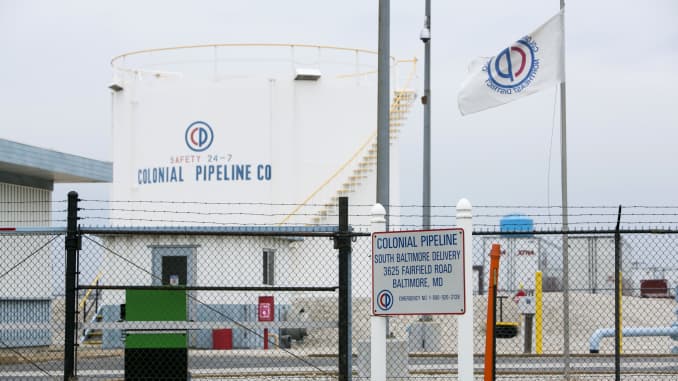
 A logo sign outside of a Colonial Pipeline Company facility in Baltimore, Maryland.

A logo sign outside of a Colonial Pipeline Company facility in Baltimore, Maryland.
Tripplaar Kristoffer | SIPA | AP

https://www.reuters.com/business/energy/top-us-fuel-pipeline-operator-pushes-recover-cyberattack-2021-05-09/ 

The White House was working closely with top U.S. fuel pipeline operator Colonial Pipeline on Sunday to help it recover from a ransomware attack that forced the company to shut a critical fuel network supplying populous eastern states.

The attack is one of the most disruptive digital ransom schemes reported and has prompted calls from American lawmakers to strengthen protections for critical U.S. energy infrastructure from hacking attacks.

Commerce Secretary Gina Raimondo said the pipeline fix was a top priority for the Biden administration and Washington was working to avoid more severe fuel supply disruptions by helping Colonial restart as quickly as possible its more than 5,500-mile (8,850 km) pipeline network from Texas to New Jersey.

“It’s an all hands on deck effort right now,” Raimondo said on CBS’ “Face the Nation” program. “We are working closely with the company, state and local officials, to make sure that they get back up to normal operations as quickly as possible and there aren’t disruptions in supply.”

Colonial said on Sunday its main fuel lines remain offline but some smaller lines between terminals and delivery points are now operational. Neither Raimondo nor the company gave an estimate for a full restart date and Colonial declined further comment on Sunday.

U.S. gasoline futures jumped more than 3% to $2.217 a gallon, the highest since May 2018, as trading opened for the week and market participants reacted to the closure.

Colonial transports roughly 2.5 million barrels per day of gasoline and other fuels from refiners on the Gulf Coast to consumers in the mid-Atlantic and southeastern United States.

Its extensive pipeline network serves major U.S. airports, including Atlanta's Hartsfield Jackson Airport, the world's busiest by passenger traffic.

A Charlotte Douglas International Airport spokesperson said the airport had supply on-hand and was "monitoring the situation closely," adding that the complex is supplied by another major pipeline as well as Colonial.

Retail fuel experts including the American Automobile Association said an outage lasting several days could have significant impacts on regional fuel supplies, particularly in the southeastern United States.

During previous Colonial outages, retail prices in southeastern states have risen substantially.

Offices of governors in several of the U.S. states most vulnerable to fuel shortages - including Tennessee, Georgia and Maryland - were not immediately available for comment.

CYBERCRIMINALS SUSPECTED

While the U.S. government investigation is in the early stages, a former U.S. official and three industry sources said the hackers are suspected to be a professional cybercriminal group called DarkSide.

DarkSide is one of many ransomware gangs extorting victims while avoiding targets in post-Soviet states. The groups gain access to private networks, encrypt files using software, and often also steal data.

They demand payment to decrypt the files and increasingly ask for additional money not to publish stolen content.

In the Colonial attack, the hackers took more than 100 gigabytes of data, according to a person familiar with the incident.

As the FBI and other government agencies worked with private companies to respond, the cloud computing system the hackers used to collect the stolen data was taken offline Saturday, the person said.

Colonial's data did not appear to have been transferred from that system anywhere else, potentially limiting the hackers' leverage to extort or further embarrass the company.

Cybersecurity firm FireEye (FEYE.O) is among those dealing with the attack, industry sources said. FireEye declined to comment. Colonial said it was working with a "leading, third-party cybersecurity firm," but did not name the firm.

Messages left with the DarkSide hackers were not immediately returned. The group's dark website, where hackers regularly post data about victims, made no reference to Colonial Pipeline.

Colonial declined to comment on whether DarkSide hackers were involved in the attack, when the breach occurred or what ransom they demanded.

BIDEN BRIEFED ON HACK

President Joe Biden was briefed on the cyberattack on Saturday morning, the White House said, adding that the government was working to try to help the company restore operations and prevent supply disruptions.

U.S. Senator Bill Cassidy, a Republican from Louisiana who sits on the Energy Committee, said lawmakers are prepared to work more with privately held critical infrastructure companies to guard against cyberattacks.

"The implication for this, for our national security, cannot be overstated. And I promise you, this is something that Republicans and Democrats can work together on," he said on NBC's "Meet the Press."

Another fuel pipeline serving the same regions carries a third of what Colonial does. Any prolonged outage would require tankers to transport fuels from the U.S. Gulf Coast to East Coast ports.

The Federal Motor Carrier Safety Administration is issuing a temporary hours of service exemption to truckers transporting refined products to 17 southern and east coast states including Alabama, Delaware, Florida, Georgia, New Jersey and New York.

Complicating the fallback plans, according to one industry source familiar with the federal response, was that the ranks of fuel-truck drivers for the main road transportation companies, which could pick up some of the pipeline volume, are down by 25% or more because of coronavirus infections.

Oil refining companies contacted by Reuters over the weekend said their operations had not yet been impacted. Some were working to find alternative transport for customers.

The privately held, Georgia-based company is owned by CDPQ Colonial Partners L.P., IFM (US) Colonial Pipeline 2 LLC, KKR-Keats Pipeline Investors L.P., Koch Capital Investments Company LLC and Shell Midstream Operating LLC.

Friday, May 7, 2021

The stampede to exit coal is a worrying harbinger for LNG: Russell

The stampede to exit coal is a worrying harbinger for LNG: Russell

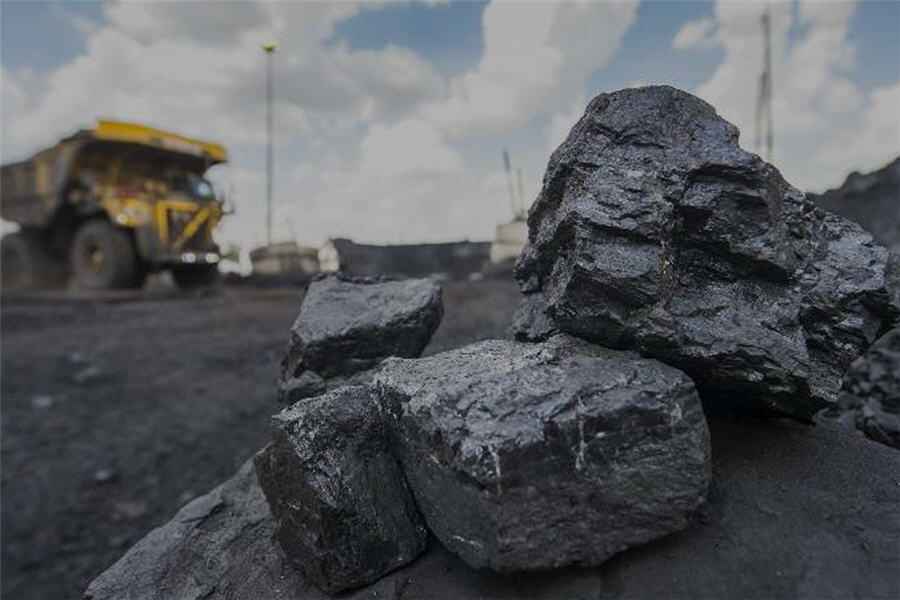
Image courtesy of Seriti Resources Holdings Ltd.

https://www.mining.com/web/the-stampede-to-exit-coal-is-a-worrying-harbinger-for-lng-russell/?utm_source=Energy_Digest&utm_medium=email&utm_campaign=MNG-DIGESTS&utm_content=httpswwwminingcomwebthestampedetoexitcoalisaworryingharbingerforlngrussell 

(The opinions expressed here are those of the author, Clyde Russell, a columnist for Reuters.)

A global diversified miner paying to exit its coal assets, and a multibillion-dollar dollar investment by Qatar to reclaim its status as the world’s largest producer of liquefied natural gas have more in common than might be visible at first glance.

South32, the Australian commodity producer spun out of BHP Group, is effectively handing over up to $250 million to Seriti Resources to take South African thermal coal operations off its hands.

While it’s not unusual for sellers of mining assets to cover rehabilitation costs, the sizeable amount involved shows just how much South32 wanted out of thermal coal – and in effect, just how little the assets are worth.

The sale of South32’s South African energy coal assets to Seriti is expected to close before the end of the company’s financial year

South32 is one of several major coal miners seeking to exit a business that has become increasingly problematic amid action by environmental activists, concern among shareholders and the withdrawal of financing and insurance for mines viewed as contributing to climate change.

In short, coal mines, particularly those producing thermal coal for use in power plants, are increasingly seen as a millstone around the neck of diversified miners. The latter would prefer to focus on producing commodities seen as essential to decarbonising the world’s energy systems.

There isn’t a straight line between the rush to exit coal and Qatar’s $28.7 billion plan to boost its LNG capacity 40% to 110 million tonnes by 2026, with a potential second-phase expansion to a total annual capacity of 127 million tonnes.

RELATED: Vale buys Mitsui’s stake in Moatize amid plan to exit coal

On the surface, such a massive investment in LNG would seem to be a vote of confidence in the future of the super-chilled fuel, touted by proponents as a cleaner-burning alternative to coal.

Still, the LNG business is condemned by opponents as producing enough pollution to still be part of the climate change problem. And Qatar’s push to produce more LNG could be view through a more cynical prism: the Gulf nation may be seeking to maximise the revenue from its extremely low-cost natural gas assets while it still can – before decarbonisation does to LNG what it’s busy doing to coal.

Qatar is believed to be able to produce LNG at a break-even cost of about $4 per million British thermal units (mmBtu), below the $5 to $8 per mmBtu for new projects in Mozambique, Russia and the United States, and the $7 to $11 for current top exporter Australia for new projects, according to figures from the Boston Consulting Group.

This in effect means Qatar can afford to take the view that even if there is an oversupply of LNG in the future, it will be the last producer standing, and it can monetise its natural gas reserves better than its competitors.

This raises the possibility that the billions of dollars currently being invested in LNG projects in places from Mozambique to Russia to North America may end up facing the same issues coal has right now – writing down the value of assets and struggling to sell them.

Coal exit stampede

Of course, for buyers of distressed coal assets such as Seriti, the opportunity remains to run the acquired mines for many years and sell the coal profitably to South Africa’s state-owned energy utility Eskom.

The sale of South32’s South African energy coal assets to Seriti is expected to close before the end of the company’s financial year, pending government approvals and an agreement with Eskom over coal supply.

The planned sale was first announced in November 2019 with Seriti, a company owned by Black South African investors, initially agreeing to pay 100 million rand ($6.7 million) upfront plus deferred payments based on future cash flows until March 2024, with a ceiling of 1.5 billion rand per year.

These terms have now changed, with the deferred payments scrapped, the purchase price reduced to a token 1 rand and South32 agreeing to pay for rehabilitation and other costs.

If the deal does go through, it will be the latest coal exit by a major mining company, following plans by Anglo American to spin off its South African coal assets and exit from its joint venture in Colombia, something BHP is keen to do as well.

Additionally BHP wishes to sell, or spin off, its energy coal assets in Australia, and earlier this year cut the value of its Mount Arthur thermal coal in New South Wales state by up to $1.25 billion, reflecting the market view that such assets have plunged in value.

It’s possible the present rush for the exit from coal will be matched by major oil and gas producers making a similar dash to get out of LNG in a few years time.

(Editing by Kenneth Maxwell)

Thursday, May 6, 2021

Venezuela oil exports stabilize at 700,000 bpd after stock drain - data

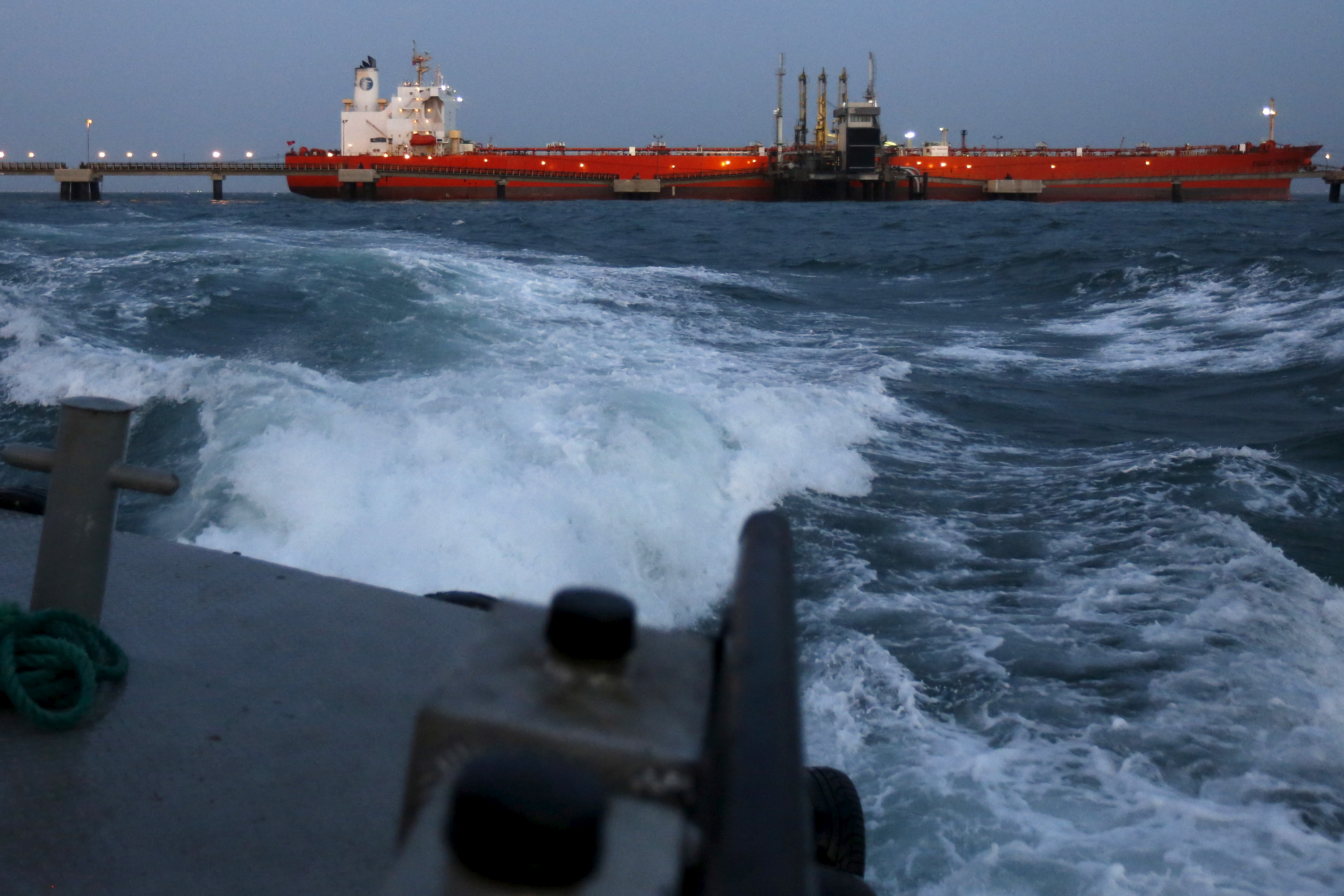
 An oil tanker is docked while oil is pumped into it at the ships terminal of PDVSA's Jose Antonio Anzoategui industrial complex in the state of Anzoategui April 15, 2015. REUTERS/Carlos Garcia Rawlins

An oil tanker is docked while oil is pumped into it at the ships terminal of PDVSA's Jose Antonio Anzoategui industrial complex in the state of Anzoategui April 15, 2015. REUTERS/Carlos Garcia Rawlins

https://www.reuters.com/business/energy/venezuelas-oil-exports-stabilize-700000-bpd-after-stock-drain-data-2021-05-03/ 

Venezuela's April oil exports were flat at about 700,000 barrels per day (bpd) for the third month in a row, with three-quarters of its shipments headed to Asia and the Middle East, according to tanker tracking data and documents from state-run Petroleos de Venezuela.

PDVSA's exports have stabilized in recent months following a sharp decline between late 2020 and early 2021 caused by U.S. orders to halt oil swaps that had allowed the exchange of Venezuelan crude for imported fuel.

A total of 25 cargoes set sail from Venezuelan waters last month, carrying 688,533 bpd of crude and fuel mainly to China, Malaysia and the United Arab Emirates. Exports to Europe fell to a single cargo of 110,000 barrels from two to three cargoes in previous months, the data and documents showed.

April volumes represented a 19% drop from the same month a year ago.

[For a graphic on Venezuela's monthly oil exports since 2020, click on: https://graphics.reuters.com/VENEZUELA-OIL/EXPORTS/xegpbqdzjvq/]

PDVSA and Venezuela's oil ministry did not immediately respond to requests for comment.

After exhausting most stocks of Merey and upgraded crude grades in April, PDVSA is preparing to restart two of its four upgraders, which in total are capable of converting over 600,000 bpd of extra heavy crude from the Orinoco belt into exportable grades.

The restarts could allow PDVSA to boost output from the Orinoco, the country's main producing region, while supplying more of its lightest grades to domestic refineries for motor fuel production. The lack of lighter oils has led to shortages of gasoline and diesel.

Among the exported cargoes this month, PDVSA sold a 991,000-barrel cargo of Corocoro crude, oil that had remained stored for over a year at the Nabarima floating facility, operated by the state firm and Italy's ENI (ENI.MI), the documents showed.

PDVSA also exported about 55,000 bpd of crude and fuel to its political ally Cuba, according to the data. Venezuela maintained imports within the range of previous months, of about 30,000 bpd.

Polyus becomes world’s largest gold miner by reserves

Polyus becomes world's largest gold miner by reserves

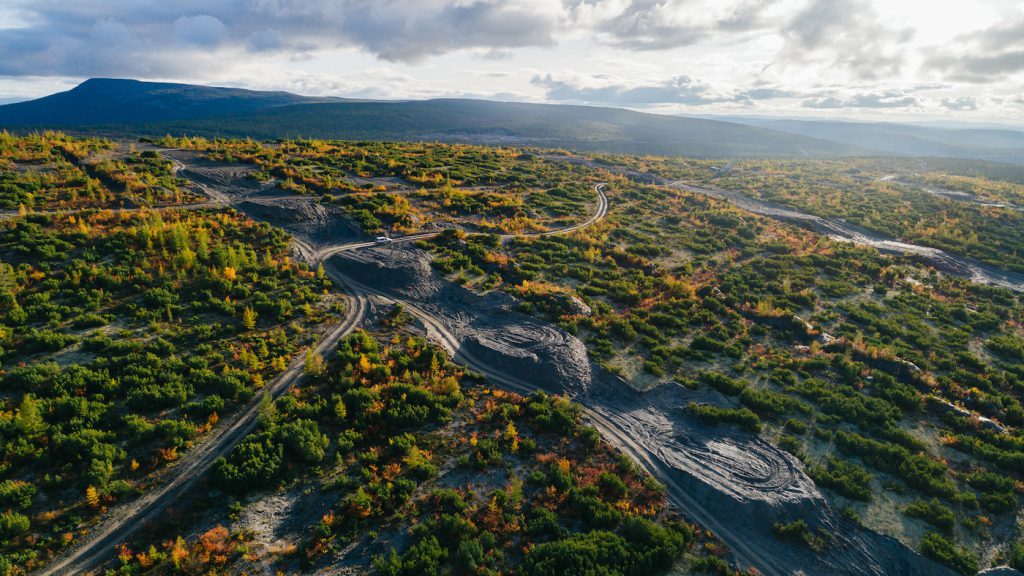
Sukhoi Log is the world’s largest gold deposit among both greenfield and developed mines. (Image courtesy of Polyus.)

https://www.mining.com/web/polyus-becomes-worlds-largest-gold-miner-by-reserves/?utm_source=Precous_Metals_Digest&utm_medium=email&utm_campaign=MNG-DIGESTS&utm_content=polyus-becomes-worlds-largest-gold-miner-by-reserves 

Russia’s largest gold producer Polyus on Thursday said that its total proved and probable ore reserves had risen by 71% to 104 million ounces of gold at the end of 2020 due to inclusion of reserves at its giant Sukhoi Log deposit.

“Polyus is now confirmed to have the largest reserve base globally, with approximately 97% of these reserves attributable to our operating mines and our flagship greenfield project, Sukhoi Log,” Polyus CEO Pavel Grachev said in a statement.

Polyus was previously the world’s third-largest gold miner by reserves behind Newmont and Barrick.

The Russian gold producer plans to take a final investment decision on the Sukhoi Log project in Siberia in 2022.

The company’s measured, indicated and inferred mineral resources were estimated at 204 million ounces of gold at the end of December, compared with 188 million ounces at Dec. 31, 2019, it added.

(By Polina Devitt; Editing by David Goodman)

Wednesday, May 5, 2021

The Supreme Court Case That Could Change Everything For US Pipelines


https://www.zerohedge.com/energy/supreme-court-case-could-change-everything-us-pipelines 

Authored by Charles Kennedy via OilPrice.com,

A Supreme Court hearing began this week that could seal the future fate of gas pipelines across the United States. It could also change the balance of power between federal and state authorities in a way that federal authorities would hardly like. The case involves the proposed PennEast pipeline, a 120-mile, 1-billion-cu-m piece of infrastructure that will take natural gas from the Marcellus shale across Pennsylvania and New Jersey. New Jersey is opposing the pipeline. PennEast and FERC want to use eminent domain to condemn the state and private land they need to build the infrastructure.

On the face of it, it is a simple case—just another pipeline dispute of the sort that has been enjoying growing popularity among environmentalist groups and politicians in the past few years. In this case, the politicians want to stop PennEast from receiving easements for 40 parcels of federal land. The only way for PennEast to receive these easements, then, is to sue New Jersey. What makes this case different is that its outcome could have major implications for the industry.

As Forbes’ Christopher Hellman explained in an article from earlier this week, the argument of the New Jersey political pipeline opponents is that under the 11th Amendment to the Constitution, states have sovereign immunity against lawsuits brought against them by private parties such as companies. In other words, PennEast simply has no right, under the Constitution of the United States, to sue New Jersey’s politicians on the pipeline issue.

A counter-argument, used by a district court in 2018 to rule in favor of the natural gas project, is that PennEast is not acting on its own with its plans to carry 1 billion cubic meters of natural gas across two states. It is acting, the court ruled, under the auspices of a government authority: the Federal Energy Regulatory Commission.

Forbes’ Hellman notes this was not a first, either: since the passing of the Natural Gas Act in 1938, FERC has on more than one occasion delegated its powers to invoke eminent domain to energy companies. From PennEast’s perspective, then, since federal power supersedes state power and since FERC has approved the New Jersey pipeline, it has every right to sue the state for that land.

New Jersey appealed the district court ruling, and the appeals court found in its favor. It said that the state had sovereign immunity against lawsuits brought against it by private entities such as PennEast, noting that the power to invoke eminent domain as delegated to it by FERC was a completely different matter from its right to sue a state.

“Thus, the federal government’s ability to condemn State land … is, in fact, the function of two separate powers: the government’s eminent domain power and its exemption from Eleventh Amendment immunity,” the U.S. Court of Appeals for the 3rd Circuit said in its decision.

“A delegation of the former must not be confused for, or conflated with, a delegation of the latter.”

And this is what makes this case so fascinating and so important for the industry.

  • If the Supreme Court sides with PennEast, it would mean that the power to invoke eminent domain supersedes states’ sovereign immunity.

  • But if it sides with New Jersey, it would be very bad news for energy companies because it would mean that pipeline projects—federally approved projects, no less—will be banned left and right on the grounds of sovereign immunity from lawsuits seeking to clear the way for eminent domain.

In truth, New Jersey has conceded in its brief to the Supreme Court that the federal government has the constitutional power to seize state property such as land. However, it has been argued that the federal government does not have the right to delegate that power to private parties. According to PennEast, however, this is not true.

“It was well-established at the founding that the sovereign eminent-domain authority was delegable. Thus, conceding federal eminent-domain power but contesting its delegability is not a valid option,” the company said in its own brief to SCOTUS.

It is still in the early days. But for now, the Supreme Court appears to be equally open to hearing both sides of the story. According to media reports, some see a 70-percent chance for the court siding with PennEast, citing one Supreme Court Judge, Stephen Breyer, as saying that gas pipelines had a decades-long history and he was wondering whether a ruling in favor of New Jersey would cause disruption to this existing infrastructure.

Chief Justice John Roberts, however, sees things differently, according to a report by the Engineering News-Record. According to him, based on a previous SCOTUS ruling that corporations are people, New Jersey’s argument that it has sovereign immunity from private party lawsuits has a solid standing: PennEast is registered in Delaware and the 11th Amendment, on which New Jersey’s argument hinges, says that states cannot be sued by citizens of other states.

Things will only get more interesting as court hearings progress. The ruling is expected in mid-summer.

Tuesday, May 4, 2021

Home: China ramps up tin exports as rest of the world runs dry

 China ramps up tin exports as rest of the world runs dry

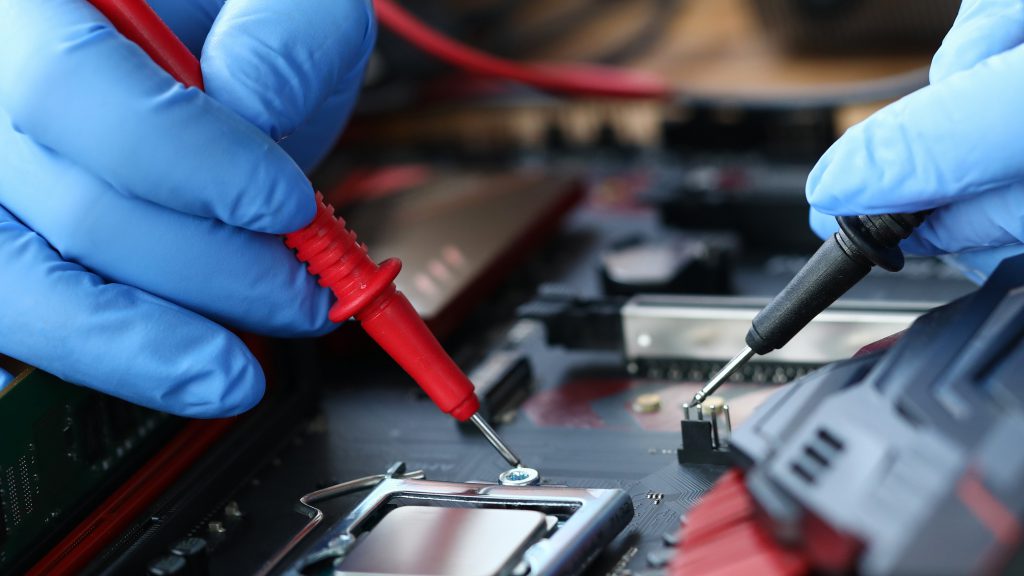
Soldering accounts for around half of global tin usage. (Stock Image) 

https://www.mining.com/web/home-china-ramps-up-tin-exports-as-rest-of-the-world-runs-dry/?utm_source=Australasia_Digest&utm_medium=email&utm_campaign=MNG-DIGESTS&utm_content=home-china-ramps-up-tin-exports-as-rest-of-the-world-runs-dry 

(The opinions expressed here are those of the author, Andy Home, a columnist for Reuters.)

The super-squeeze in the tin market rolls on.

The London Metal Exchange (LME) three-month tin price is hovering just below February’s 10-year high of $27,500 per tonne, last trading at $27,135.

LME time-spreads remain acutely stressed. Cash tin closed on Monday valued at $28,250, commanding a $1,200-per tonne premium over three-month metal. The backwardation has been wider, flexing out to $6,500 in February, but is still extreme by any historical yardstick.

Step away from the LME paper market into the physical arena and things get even uglier with Fastmarkets lifting its premium assessments to record levels of up to $2,000 per tonne over LME cash.

Parts of the world seem to have run out of the metal essential for circuit-board soldering.

China is now stepping up as the supplier of last resort, the country flipping from net importer to net exporter of refined tin.

Chinese flip

China is the world’s largest tin producer but was a steady net importer over most of 2019 and all of 2020.

That changed in February and March’s exports of 939 tonnes were the highest monthly tally since April 2019.

Cumulative exports over the first quarter were 2,151 tonnes, already almost half last year’s count.

Imports, meanwhile, have almost dried up and China flipped to marginal net exporter over the first quarter of 2021.

This may, as the International Tin Association notes, reflect some demand suppression in China due to the current high price environment.

But the most powerful driver is the premium commanded for spot tin in the rest of the world which has forced open an export-friendly arbitrage between the Shanghai Futures Exchange’s (ShFE) tin contract and the LME.

As long as that arbitrage window remains open, more exports can be expected to flow through it.

The rest of the world needs this supply.

Indonesian exports fall

Super-high prices have so far failed to generate a producer supply response outside of China.

Shipments from Indonesia, the world’s largest exporter of tin, slid 24% over the first three months of 2021, extending a downtrend that has been running since 2018.

The country’s top producer PT Timah has guided to lower production and sales this year. It remains to be seen whether the private tin sector can lift production and, equally importantly, get it exported through Indonesia’s tight controls.

Meanwhile, a furnace outage at Malaysia’s MSC and the deferral of around 500 tonnes of production wouldn’t normally make the headlines but right now it’s another unwanted hit to an already struggling supply chain.

Physical market seizes up

Parts of the physical supply chain appear to have almost totally seized up.

Fastmarkets has been lifting its assessments of physical premiums since the start of this year and all regions are now at record highs.

Need tin urgently in Europe? It’ll cost you at least $1,000 per tonne over the LME cash price and that’s assuming you can find anyone to sell to you.

If you need it in the United States, it’s going to cost you at least $2,000 over LME cash and possibly quite a lot more, again assuming you can find a seller.

Taiwanese premiums have also shot up recently to $800-900 per tonne, even though Kaohsiung is one of the few LME warehouse locations still to hold metal, albeit only 145 tonnes.

Indeed, the stress on physical supplies is preventing LME stocks from rebuilding despite that massive backwardation.

The high premium for LME delivery has enticed odd parcels of metal into exchange warehouses but what has arrived has turned around and departed just as quickly.

LME inventory currently stands at just 1,290 tonnes, 570 tonnes lower than at the start of the year. Moreover, a third of that is earmarked for physical load-out, attesting to the continued strong demand for units across the physical supply chain.

Low LME stocks are in turn keeping time-spreads tight and the cash price elevated, which will help keep Chinese exports flowing through the arbitrage gap.

China to the rescue?

Visible inventory in China is higher. ShFE stocks currently total 7,512 tonnes, although they have fallen from a March high of 8,853 tonnes in line with the seasonal pattern around the country’s new year holidays.

Chinese refined tin production is rising and supplies of raw material from Myanmar appear to be unaffected by the political upheaval in that country, so far at least.

China now holds the key to the immediate price landscape. Indonesian exports may ramp up later this year but until they do Chinese exports are going to be the most significant route to alleviating the super-squeeze in the rest of the world.

Just how much metal the country can itself afford to lose in a global market defined by scarcity remains to be seen.

(Editing by Jane Merriman)

Monday, May 3, 2021

Record metals prices catapult mining profits beyond big oil

Record metals prices catapult mining profits beyond big oil

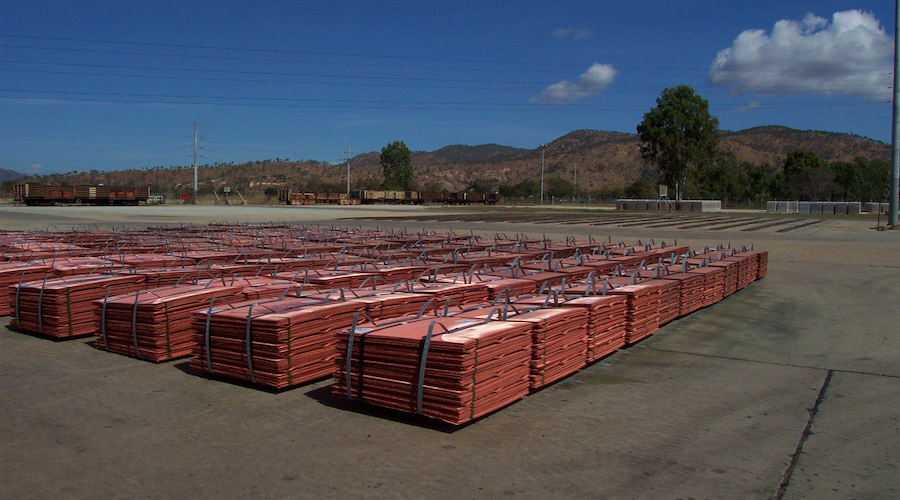
Bundles of copper cathode. (Image by ChrisFountain, Wikimedia Commons). 

https://www.mining.com/web/record-metals-prices-catapult-mining-profits-beyond-big-oil/?utm_source=Daily_Digest&utm_medium=email&utm_campaign=MNG-DIGESTS&utm_content=record-metals-prices-catapult-mining-profits-beyond-big-oil 

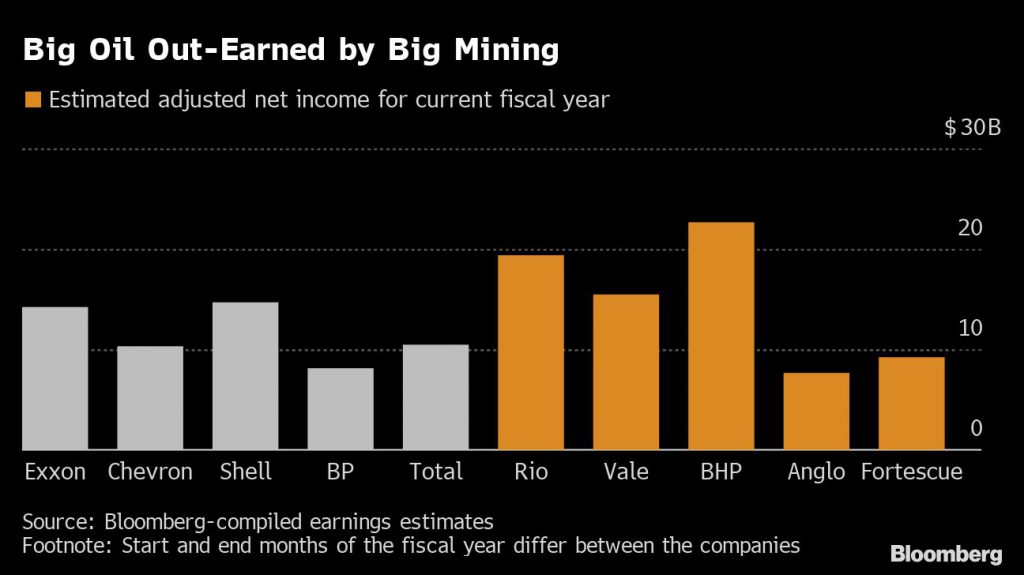
Major oil producers, for decades the natural resource industry’s top earners, are being eclipsed by once-smaller mining peers who are churning out record profits thanks to red-hot metals markets.

The mining windfall is the latest sign of a boom in iron ore, copper and other metals that’s sending an inflationary wave through the global economy, increasing the cost of everything from electrical wires to construction beams.

In the corporate world, the top five iron ore mining companies are on track to deliver bottom-line profits of $65 billion combined this year, according to estimates compiled by Bloomberg. That’s about 13% more than the five biggest international oil producers, flipping a decades-old hierarchy.

“It’s wild,” said Mark Hansen, chief executive officer of London-based trading house Concord Resources Ltd. “The value right now has shifted from energy to metals.”

The eye-watering mining profits are mainly a product of iron ore, the world’s biggest commodity after oil. The crucial steelmaking ingredient has been trading just a whisker below $200 a ton and on par with record prices from a decade ago, when voracious Chinese demand triggered what became known as the commodities supercycle. The largest Australian mining companies can pull a ton of iron ore from the ground for less than $20 a ton.

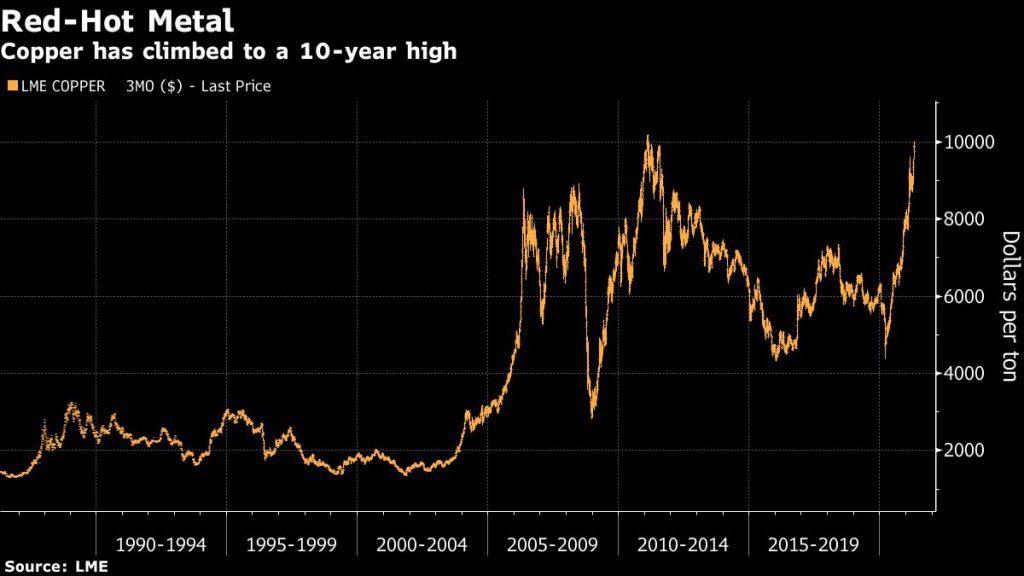
Copper prices have also jumped near to all-time highs, crossing the $10,000-a-ton barrier for the first time in a decade. A basket of base metals including aluminum, nickel, copper, tin, lead and zinc is trading at levels only reached twice in modern history: in 2007-08 and 2011.

For the big five iron ore miners — BHP Group, Rio Tinto Group, Vale SA, Anglo American Plc and Fortescue Metals Group Ltd. — this fiscal year will be just the second time this century that they’ll out-earn their oil peers, estimates show. It would be only the first time if their oil rivals hadn’t been weighed down by huge writedowns in 2020.

During the previous commodity boom, which peaked between 2008 and 2011, Big Oil easily made larger profits than Big Mining. A decade ago, for example, the five energy majors — Exxon Mobil Corp., Chevron Corp., Royal Dutch Shell Plc, Total SE and BP Plc — delivered adjusted earnings that were double those of the big five iron ore miners.

Now, the surge in mining profits is another headache for the large oil companies as they struggle to attract shareholders amid mounting concern over climate change. While the miners are already returning more cash to investors, the oil producers are only just starting to do so, after some cut dividends last year.

The miners also have a better story to tell: while oil contributes to a warming world, some metals — particularly copper — are key to building a greener future based on electric cars.

Inflation concerns

The mining windfall matters beyond the natural resources industry. It’s an indication that companies across multiple sectors will face rising costs, which at some point could translate into broader inflation, potentially hitting bond and foreign exchange markets.

“After a year of strong commodity-price increases, inflation pressures are now building downstream in supply chains,” said John Mothersole, pricing and purchasing research director at consultant IHS Markit Ltd.

So far, central banks — notably the U.S. Federal Reserve — have largely disregarded those pressures, saying they’re one-time price surges that are unlikely to start an inflationary problem. The Fed said April 28 that while inflation has risen, the increase largely reflects “transitory factors.”

Iron ore is in a dream scenario: demand, especially from China, is rampant, while supply is constrained. China, which accounts for about half of global steel production, is making a record amount of the metal, while industrial output is surging across the rest of the world as huge stimulus packages fuel a recovery from the pandemic. At the same time, producers are struggling to keep mines running at full capacity.

Returning cash

Yet underpinning the tightness in metals is a strategic decision made by the big miners half a decade ago. After spending years pumping ever-expanding supply onto the global market, they ripped up growth plans and focused instead on shareholder returns. The result was that supply largely stopped rising and prices started to pick up.

The good news for investors is that during this wave of high prices they’re likely to see more of the profits. Unlike in the last commodity supercycle, the miners — still bruised from a series of disastrous deals and projects — are reluctant to pour their extra earnings into acquisitions or new mines, instead choosing to distribute record dividends.

That point was made clear by Vale’s CEO last week, after the Brazilian mining giant posted its best quarterly result since the high-point of the supercycle a decade ago.

“You shouldn’t expect extreme” spending, Eduardo De Salles Bartolomeo said on Tuesday. “There is nothing on our radar like that. And secondly — the question that a lot of people make so I’ll take the opportunity to make it clear — there is no transformation and M&A on our radar as well.”

Big Oil is now doing the same, with companies from Exxon to BP abandoning oil output growth plans in an effort to regain shareholder trust: they have slashed spending on new projects, and after paying down debt, are promising to reward investors rather than develop new fields and refineries as they did during the previous cycle. That’s likely to result in lower oil supply later this decade, which in turn could support prices.

(By Thomas Biesheuvel, Javier Blas and James Attwood)