Tuesday, December 26, 2023

4th Vaccine Dose Showed Negative Relative Vaccine Efficacy Against COVID Death: Study

4th Vaccine Dose Showed Negative Relative Vaccine Efficacy Against COVID Death: Study

https://www.theepochtimes.com/health/4th-vaccine-dose-showed-negative-relative-vaccine-efficacy-against-covid-death-study-5550517?src_src=Ccpv&src_cmp=2023-12-23&est=o024%2Br34ZbGsdDhYW7juUWXrDGzYO5LBYUbiHb3Nz5lQrfNPiplF51gWgTNLp9Mtbg%2F7vQ%3D%3D 

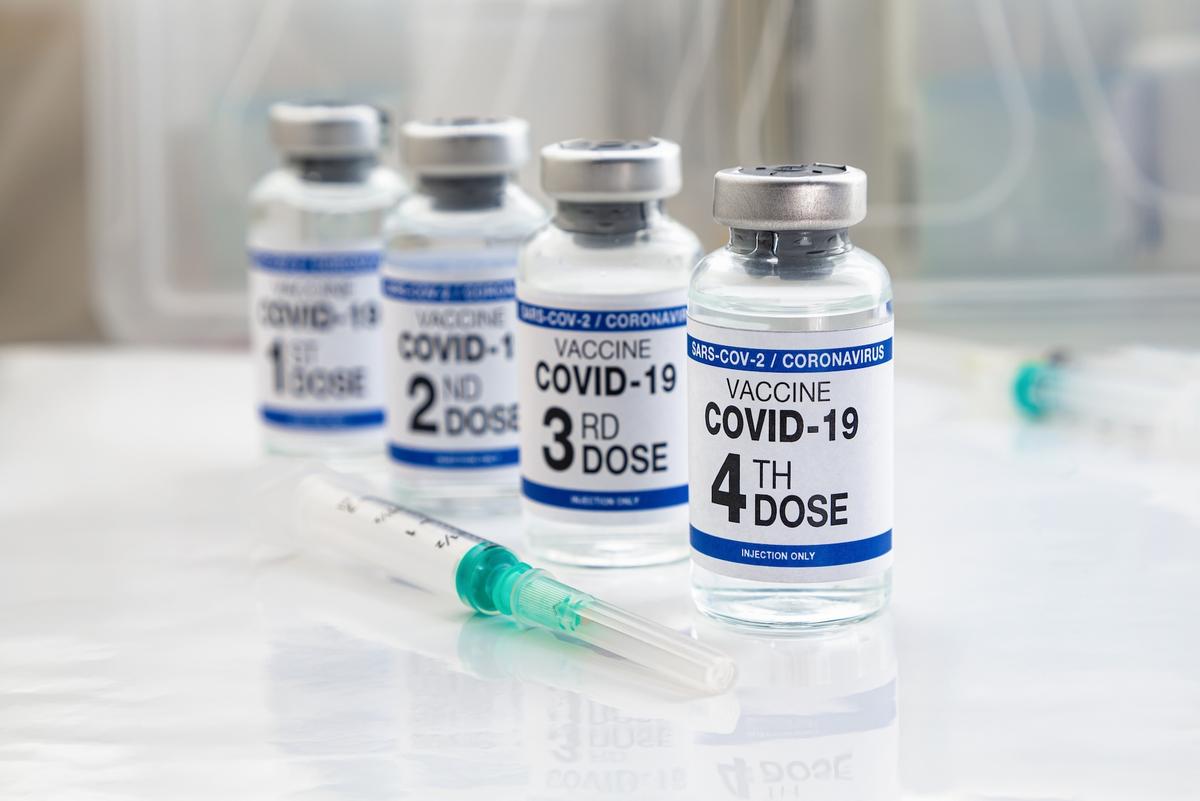
A fourth dose of the COVID-19 vaccine may not be as effective as expected, according to a recent peer-reviewed study.

The retrospective population-based observational study published in the European Journal of Clinical Investigation used national health data from the Austrian epidemiological reporting system, individual all-cause mortality data from Statistics Austria, and the national COVID-19 vaccine registry.

Researchers calculated COVID-19 deaths and SARS-CoV-2 infections from Nov. 1 to Dec. 31, 2022, in 3,986,312 individuals, comparing the outcomes of 281,291 who received four vaccine doses with 1,545,242 individuals who received three vaccine doses to determine relative efficacy.

According to the CDC, relative vaccine effectiveness is measured by comparing people who received one vaccine type or regimen to those who received a different one.

During the initial study period, researchers recorded 69 COVID-19 deaths, 89,056 SARS-CoV-2 infections, and an overall case fatality rate of 0.08 percent. Relative vaccine efficacy for four doses was negative 24 percent compared with those who received three vaccine doses. Additionally, researchers found more COVID-19 deaths among individuals who received four vaccine doses than among those who received fewer vaccine doses or no vaccinations.

"Negative efficacy basically means [there were] more deaths (or illnesses) in the vaccinated group compared to the unvaccinated group. Efficacy is a "delta" of unvaccinated deaths minus vaccinated deaths. Once vaccinated deaths exceed unvaccinated deaths, the delta becomes negative, and that yields a negative efficacy," Brian Hooker, chief scientific officer at Children's Health Defense, who holds a doctorate in biochemical engineering, told The Epoch Times in an email.

There was a 17 percent reduced risk among those who received four vaccine doses. However, the initial decreased risk of infection “rapidly diminished” and reversed itself in a six-month extended follow-up, leaving individuals who received four doses with a higher risk of infection than less vaccinated individuals.

Those with repeated previous and recent infections experienced significantly reduced reinfections, regardless of the vaccine dose.

More than 80 percent of vaccinated Austrians had received Pfizer’s COVID-19 vaccine during the initial study period, and 97.4 percent of individuals who had received four vaccine doses in the extended observation had received Pfizer’s vaccine.

Extended Study Period Shows Negative Effects of 4th Vaccine Dose

An extended observation period was added through June 30 to increase statistical power. On Jan. 1, at the start of the extended observation period, the group sizes of those who received four, three, one to two, and no vaccinations were 490,623, 1,352,471, 911,896, and 1,223,216, respectively. During this extended study period, researchers recorded 225 COVID-19 deaths and 174,174 SARS-CoV-2 infections.

No significant differences for COVID-19 mortality were found in other groups, but fewer infections existed in the less vaccinated groups.

Initially, those with four doses had a 17 percent lower risk of COVID-19 infection compared with those who had three doses. However, during the extended follow-up period, they became more likely to experience an infection compared with those who received fewer vaccinations. Any benefit they did receive initially rapidly waned—a finding similar to a March 2023 study. In this study, the relative vaccine efficacy of a third vaccine dose was 61.4 percent in the first month of follow-up and gradually declined to a relative vaccine efficacy of negative 45.7 percent.
A similar 2021 study from Qatar published in the New England Journal of Medicine examined infections among this nation’s highly vaccinated population, most of whom received Pfizer’s COVID-19 vaccine. Vaccine effectiveness against SARS-CoV-2 infection was negligible the first two weeks after the first Pfizer dose, increased to 36.8 percent in the third week after the first dose, and peaked at 77.5 percent in the first month after the second dose.

Researchers found that effectiveness builds quickly after a first dose, peaks during the first month after a second dose, and declines gradually in subsequent months.

“The waning appears to accelerate after the fourth month, to reach a low level of approximately 20% in subsequent months,” authors Laith Abu-Raddad of Weill Cornell Medicine–Qatar and colleagues wrote. By the end of the study, breakthrough infections reached 36.4 percent, with 77.2 percent of infections attributed to Pfizer’s COVID-19 vaccine.

'Healthy Vaccinee Bias' May Lead to Inflated Efficacy Claims

Researchers in the Austrian study recorded 1,568 all-cause deaths in individuals who received four vaccine doses, 1,748 in those who received three doses, 607 deaths in those who received one to two doses, and 556 all-cause deaths in the unvaccinated during the initial study period.

Compared to individuals with three vaccinations, the age and gender-adjusted hazard ratio for all-cause mortality in those with four, one to two, and no vaccinations was 0.79, 1.17,  and 0.93, respectively. Researchers noted the reduced infection risk did not translate to preventing COVID-19 deaths, according to their data.

They observed a 21 percent lower all-cause mortality risk in those receiving four vaccine doses than those receiving only three doses. However, when nursing home residents—who are at a higher risk of death due to age and comorbidities—were excluded, the number jumped to 37 percent, suggesting “healthy vaccinee bias.”

Healthy vaccinee bias assumes that individuals who are healthier and have lower risks of certain diseases are more likely to get vaccinated, while those in poorer health are less likely to be vaccinated.

As reported by The Epoch Times in July, an individual’s underlying health plays a significant role in COVID-19-related mortality. If a particular group consisted of individuals with fewer health conditions that weren’t accounted for in the data, it would be inaccurate to attribute lower mortality to a fourth dose of a COVID-19 vaccine.

“Healthy vaccinee bias may cause overestimation of rVE [relative vaccine efficacy], but this would not materially alter our findings, as we have not observed a protective effect for COVID-19 deaths anyhow,” the researchers wrote.

The authors of this study say it raises questions about whether recommendations for repeated vaccine boosters against COVID-19 are currently justified for the larger general population with a history of previous infections.

Happy Birthday Jesus - 2023

 https://soshareit.com/wp-content/uploads/2019/06/Happy-Birthday-Jesus-9.jpg

Thursday, December 21, 2023

Colorado Supreme Court Disqualifies Trump From Appearing on Primary Ballot

Colorado Supreme Court Disqualifies Trump From Appearing on Primary Ballot

https://www.theepochtimes.com/us/colorado-disqualifies-trump-from-appearing-on-primary-ballot-5547236 

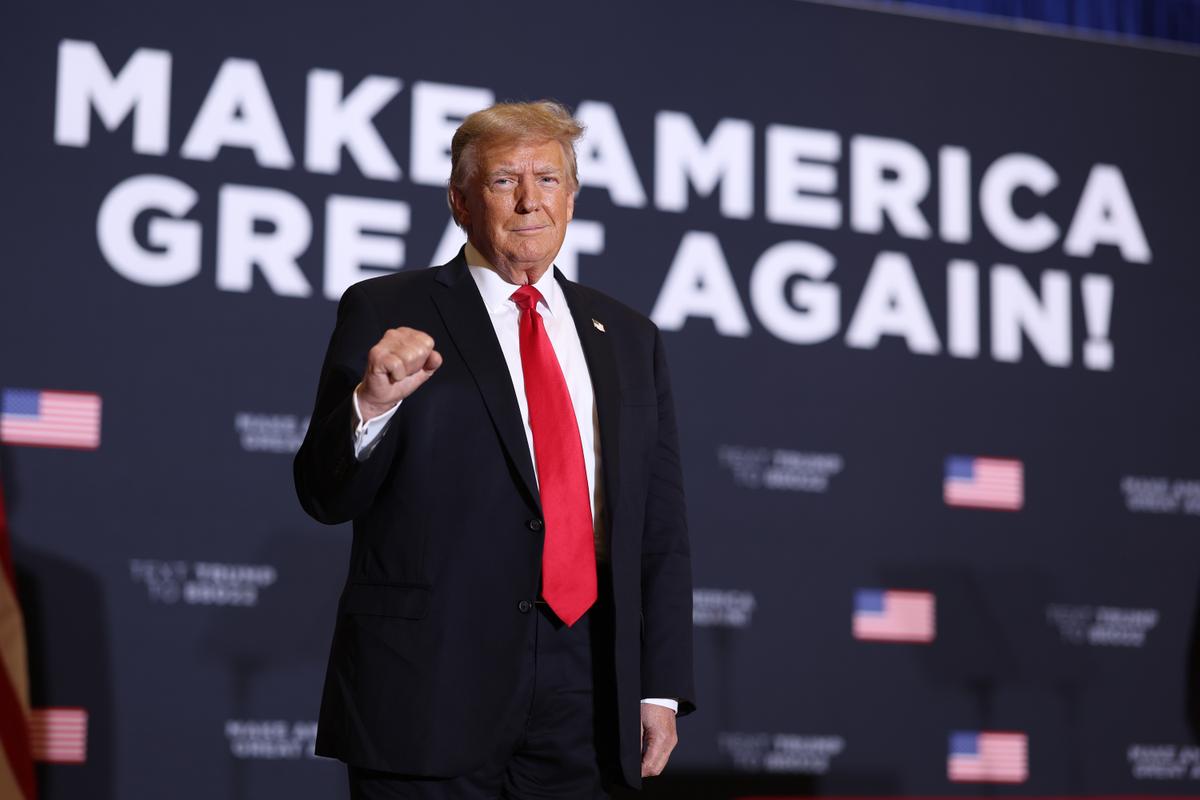
The Colorado Supreme Court ruled on Tuesday that former President Donald Trump is ineligible to appear on the state's primary ballot.

The extraordinary 4-3 ruling makes Colorado the first and only state to disqualify President Trump from appearing on a state primary ballot. The decision revolved around an interpretation of the 14th Amendment, which bars certain individuals from public office if they have engaged in an "insurrection."

President Trump has announced he will appeal the decision and denounced it as a partisan attempt to block his White House bid.

The Colorado high court, composed of all Democrat appointees, stayed its ruling until Jan. 4, 2024, "pending any review by the U.S. Supreme Court."

If the Supreme Court agrees to review the issue by Jan. 4, the Colorado Secretary of State will be required to continue to include President Trump on the primary ballot. Otherwise, he will be removed from the primary ballot.

"We conclude that because President Trump is disqualified from holding the office of President under Section Three, it would be a wrongful act under the Election Code for the Secretary to list President Trump as a candidate on the presidential primary ballot," reads the majority opinion.

"Therefore, the Secretary may not list President Trump’s name on the 2024 presidential primary ballot, nor may she count any write-in votes cast for him," the order added, as Colorado state law does not permit write-in votes to be counted for ineligible candidates.

The ruling reverses a lower court ruling that President Trump was eligible to appear on the ballot because while he did "engage" in an "insurrection" on Jan. 6, 2021, Section 3 of the 14th Amendment does not apply to presidents. The Colorado Supreme Court was unpersuaded by both the lower court and President Trump's arguments that Section 3 did not apply to presidents.

"Section Three encompasses the office of the Presidency and someone who has taken an oath as President. On this point, the district court committed reversible error," the order reads.

'Uncharted Territory'

The court affirmed the lower court decision in part, ruling that Congress does not need to pass legislation in order to implement Section 3 of the 14th Amendment, and that it is self-executing, and not beyond the jurisdiction of the courts.

As such, "the district court did not abuse its discretion in admitting portions of Congress’s January 6 Report into evidence at trial," nor err in its ruling that the Jan. 6, 2021, events constituted an "insurrection," the order added.

The Colorado Supreme Court ruled that President Trump's speech on and before Jan. 6, 2021, "was not protected by the First Amendment" because it was speech that was "likely to incite such imminent lawlessness and violence."

The unsigned order acknowledged the gravity of the ruling.

"We do not reach these conclusions lightly. We are mindful of the magnitude and weight of the questions now before us. We are likewise mindful of our solemn duty to apply the law, without fear or favor, and without being swayed by public reaction to the decisions that the law mandates we reach," the order reads.

"We are also cognizant that we travel in uncharted territory, and that this case presents several issues of first impression."

Similar challenges have been heard or are pending in half the states across the nation, and state courts have thus far ruled that they do not have the jurisdiction to interpret and apply Section 3 of the 14th Amendment for a presidential primary.

President Trump's campaign called it a partisan ruling.

"Unsurprisingly, the all-Democrat appointed Colorado Supreme Court has ruled against President Trump, supporting a Soros-funded, left-wing group’s scheme to interfere in an election on behalf of Crooked Joe Biden by removing President Trump’s name from the ballot and eliminating the rights of Colorado voters to vote for the candidate of their choice," the statement reads.

"Democrat Party leaders are in a state of paranoia over the growing, dominant lead President Trump has amassed in the polls. They have lost faith in the failed Biden presidency and are now doing everything they can to stop the American voters from throwing them out of office next November. "

The campaign reiterated President Trump's intention to appeal the ruling.

"The Colorado Supreme Court issued a completely flawed decision tonight and we will swiftly file an appeal to the United States Supreme Court and a concurrent request for a stay of this deeply undemocratic decision," spokesperson Steven Cheung stated. "We have full confidence that the U.S. Supreme Court will quickly rule in our favor and finally put an end to these unAmerican lawsuits.”

President Trump legal spokeswoman Alina Habba stated: “This ruling, issued by the Colorado Supreme Court, attacks the very heart of this nation's democracy. It will not stand, and we trust that the Supreme Court will reverse this unconstitutional order."

Dissenting Opinions

The 200-plus page opinion included dissenting opinions by Chief Justice Brian D. Boatright, Justice Carlos A. Samour, Jr., and Justice Maria E. Berkenkotter, who largely echoed the jurisdictional concerns other state courts have raised.

Justice Boatright agreed with the majority opinion that the Colorado election code allows for adjudication of a candidate's qualifications, but opined that a Section 3 disqualification was too far beyond the scope of what that law allows. He wrote that the nature of the petition brought before the court and the statutes it cited were "incompatible."

"Simply put, section 1-1-113 was not enacted to decide whether a candidate engaged in insurrection," he wrote. "In my view, this cause of action should have been dismissed."

Justice Samour was unconvinced that Section 3 is self-executing, noting that Colorado's election law differs from that of every other state, and "they won't be able to enforce Section 3" as Colorado has with the court's new ruling.

"That, in turn, will inevitably lead to the disqualification of President Trump from the presidential primary ballot in less than all fifty states, thereby risking chaos in our country," he wrote. "This can’t possibly be the outcome the framers intended."

He added that Section 3 does not spell out how it should be executed, "that is, it sheds no light on whether a jury must be empaneled or a bench trial will suffice, the proper burdens of proof and standards of review, the application of discovery and evidentiary rules, or even whether civil or criminal proceedings are contemplated."

He was concerned procedural due process could not be upheld with one state barring the current leading Republican presidential candidate from the ballot. Justice Samour added that he would have upheld the district court's decision, but "on other grounds."

"My colleagues in the majority turn Section Three on its head and hold that it licenses states to supersede the federal government. Respectfully, they have it backwards," he wrote.

Justice Berkenkotter disagreed that the state's election laws authorize state courts to decide a candidate's eligibility to appear on a presidential primary ballot, under Section 3 of the 14th Amendment.

She opined that the state legislature has not conferred courts this power, and therefore the district court erred in issuing its ruling as well.

Justice Berkenkotter pointed to the court deadlines the election code sets as evidence.

"Three days to appeal a district court’s order regarding a challenge to a candidate’s age? Sure," she wrote. "But a challenge to whether a former President engaged in insurrection by inciting a mob to breach the Capitol and prevent the peaceful transfer of power? I am not convinced this is what the General Assembly had in mind." She wrote that the district court should have dismissed the case.

Overturned Ruling

Colorado District Court Judge Sarah Wallace had issued the ruling after a weeklong trial that covered everything from whether the events of January 6 constituted an insurrection to the application of Section 3 of the 14th Amendment. It was an unusual move for a state court, and has to date been the only court that has held a trial for 14th Amendment challenges to President Trump's eligibility as a candidate for the presidency.

The 14th Amendment, ratified after the Civil War, included a third section meant to prevent officers who left their posts to join the Confederacy from returning to their positions in the government, unless Congress deemed them eligible with a two-thirds vote. It has seldom been applied in the post-war era, and scholars have been vocal in their disagreement over its application since a legal theory that this could disqualify President Trump from taking office gained traction.

After the lower court issued its decision, both the petitioners and the intervenors filed to appeal.

The activists argued that the lower court erred in ruling that Section 3 of the 14th Amendment does not apply to presidents.

President Trump argued the lower court erred in issuing rulings regarding the application of Section 3 of the 14th Amendment because state courts have no such jurisdiction.

During an earlier hearing, the Colorado Supreme Court mainly heard oral arguments on the issue of jurisdiction.

Antofagasta goes ahead with $4.4 billion Centinela expansion

Antofagasta goes ahead with $4.4 billion Centinela expansion

https://www.mining.com/antofagasta-goes-ahead-with-4-4-billion-centinela-expansion/ 

Chilean miner Antofagasta (LON: ANTO) is going ahead with the planned $4.4 billion construction of a second concentrator at its Centinela copper mine in the country’s north, which will add 170,000 tonnes copper-equivalent a year to the company’s overall production.

The miner said that early works will begin immediately, with full construction expected to start after definitive project finance documents have been executed during the first quarter of 2024.

Chief executive Iván Arriagada said that first copper from the project is expected in 2027. It noted that this addition would help Antofagasta to progress towards its long-term ambition of 900,000 tonnes of profitable copper production and make of Centinela one of the world’s top 15 copper mines by output.

“The Centinela Second Concentrator project is a key element of our profitable growth strategy,” Arriagada said. “It will also reduce net cash costs and unlock significant value in the Centinela district’s two-billion-tonne ore reserve.” 

The executive noted that the new 95,000 tonnes per day concentrator will add 144,000 tonnes of copper production, 130,000 ounces of gold production and 3,500 tonnes of molybdenum production for 36 years.

The project will be financed through a combination of direct funding from Centinela’s shareholders Antofagasta and Marubeni Corporation, which will provide about 40% of total funding, and project finance provided by lenders, the company said.

Copper shortage

Antofagasta has been taking steps to help reduce a looming copper shortage, driven by electrification and the energy transition. Arriagada said the approved project will use 100% renewable electricity and raw sea water, which will reduce the company’s environmental footprint. 

“As a project, [it] represents a demonstration of our purpose of developing mining for a better future,” he said.

The development will also include a new tailings storage facility, growth in energy and other input supply infrastructure, the expansion of outbound logistics networks such as the concentrate transport system and port infrastructure.

The company, majority-owned by Chile’s Luksic family, one of the country’s wealthiest, is also considering the use of more autonomous equipment and new technologies to reuse discarded mine waste.

The Centinela mining complex, located in Chile’s Antofagasta region, was created in 2014 from the merger of the Esperanza and El Tesoro mines. It produces copper concentrates containing gold and silver, using a milling and flotation process, and copper cathodes using a solvent extraction electrowinning process.